
Event Recap:
ESG Forum 2025: Innovation Driving a Green and Sustainable Future
ESG Forum 2025: Innovation Driving a Green and Sustainable Future
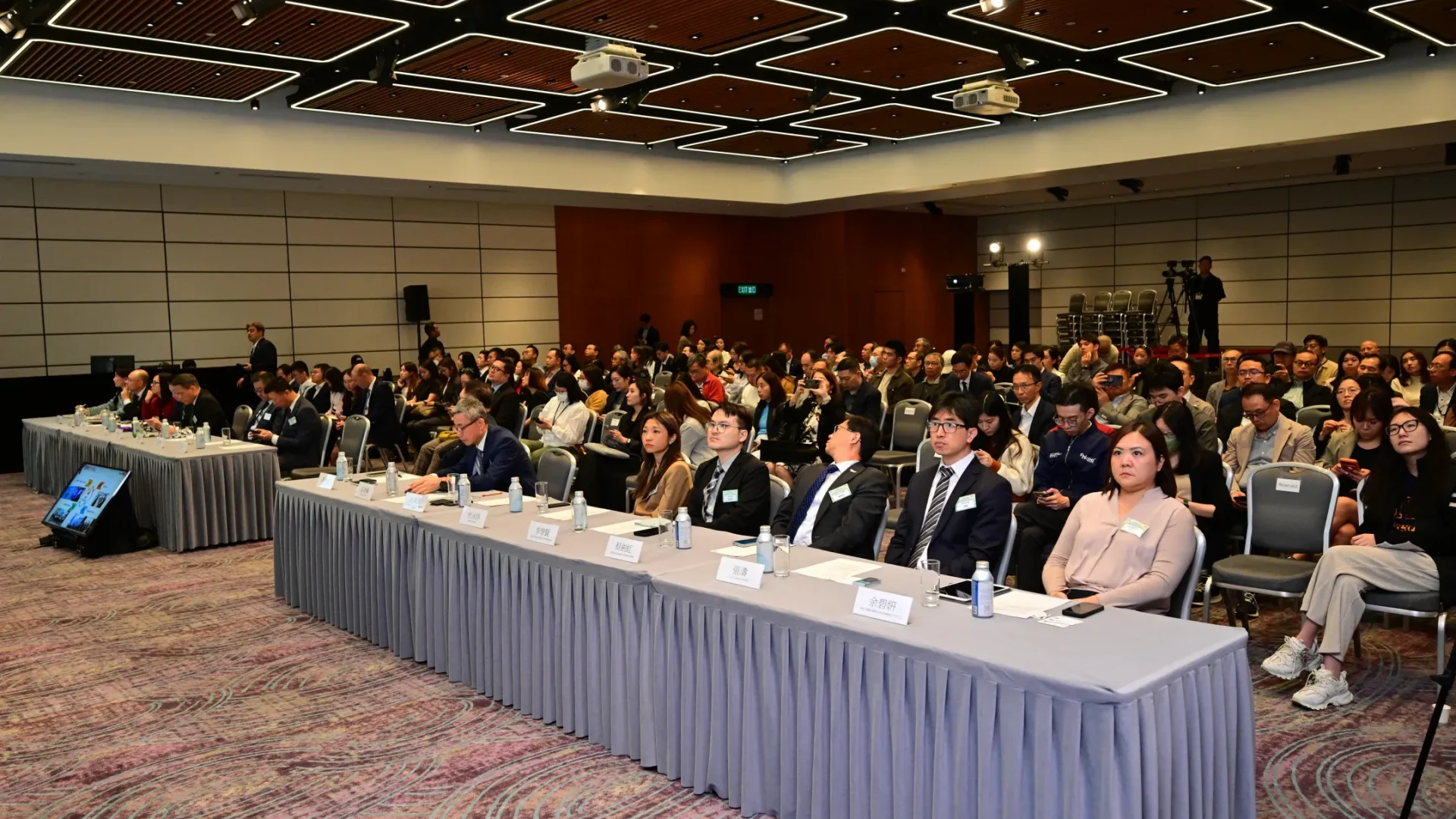
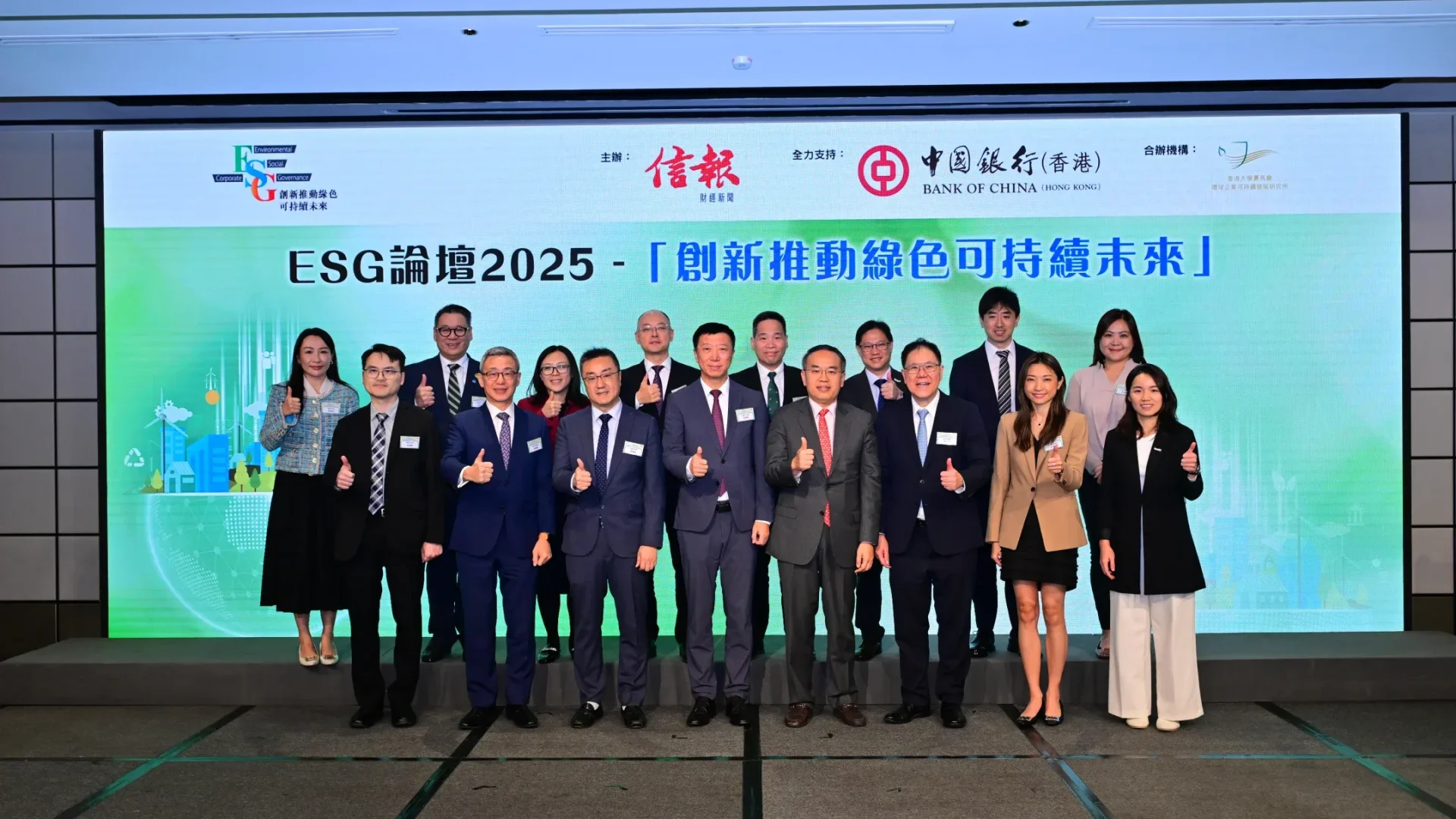
On November 25, 2025, in partnership with the Hong Kong Economic Journal (HKEJ), we co-hosted the “ESG Forum 2025” at the Hong Kong Convention and Exhibition Centre. Under the theme “Innovation Driving a Green and Sustainable Future,” the forum convened government officials, regulatory representatives, and industry leaders to examine how Hong Kong can harness green technology innovation and its strengths in sustainable finance to navigate geopolitical challenges and industrial restructuring. Against the backdrop of global climate action and economic recovery, the event also aimed to further consolidate Hong Kong’s role as an international green finance hub.
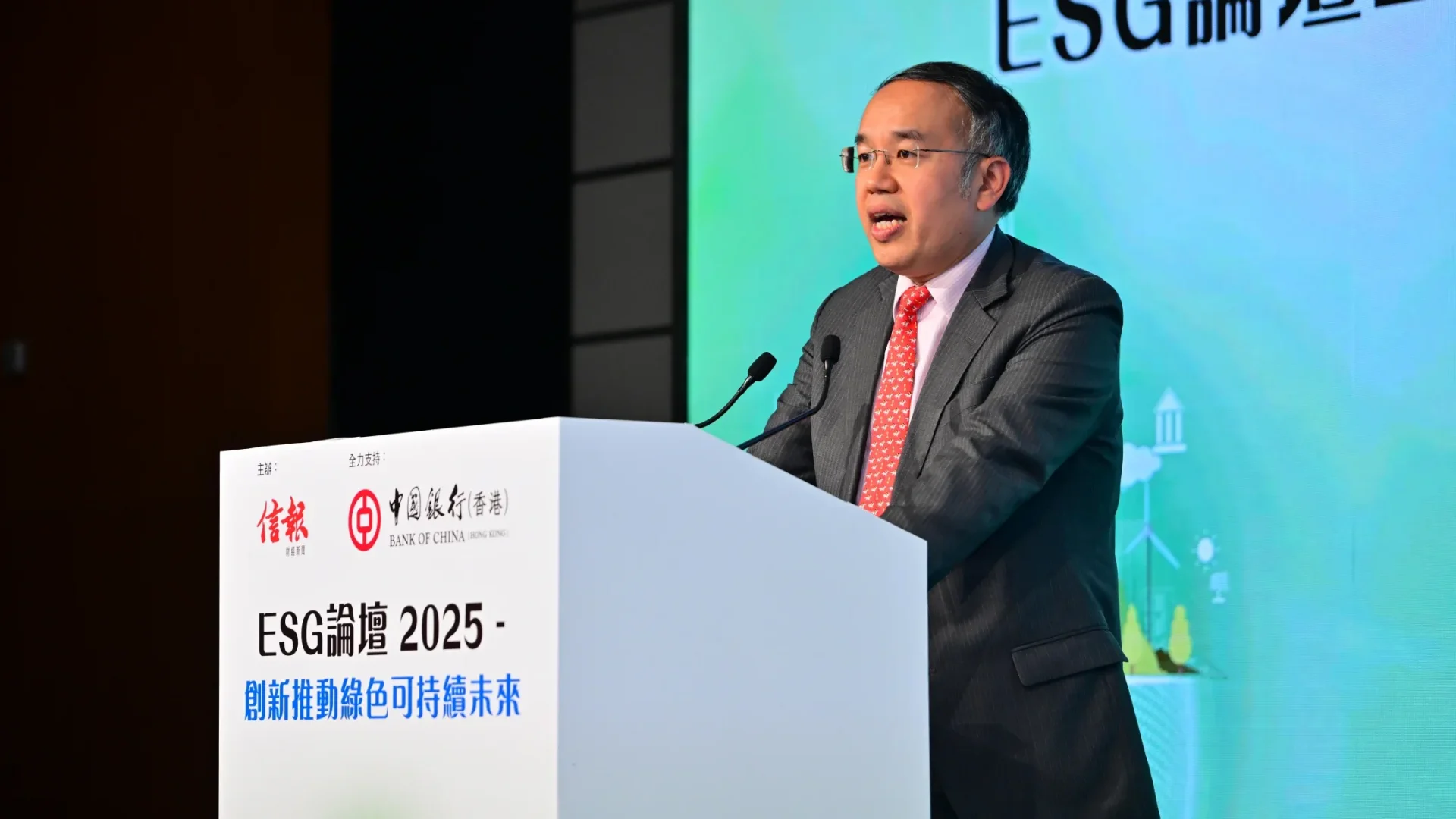


Mr. Christopher Hui, GBS, JP, Secretary for Financial Services and the Treasury
Hong Kong’s position as an international green finance hub relies on four key pillars: fostering innovation, developing markets, cultivating talent, and strengthening international cooperation. The ground-breaking application of wholesale Central Bank Digital Currency (wCBDC) in settling tokenized green bonds has laid the technical foundation for interoperability across digital infrastructures. To mitigate greenwashing risks, the government’s introduction of the Hong Kong Taxonomy for Sustainable Finance carries significant value. Extending from purely “green” to include “transition” activities, this taxonomy provides precise guidance for capital allocation. Moreover, the government’s Green and Sustainable Fintech Proof-of-Concept (PoC) Funding Support Scheme is designed to overcome the “last mile” challenges in commercialization, ensuring that technological solutions effectively address real industry needs. Additionally, leveraging its deep and liquid capital markets, Hong Kong will continue to support international institutions such as the Asian Infrastructure Investment Bank (AIIB) in mobilizing funds to enhance infrastructure systems in developing countries.
Ms. Bernice Yu, Head of Operations, HKU Jockey Club Enterprise Sustainability Global Research Institute
The Hong Kong Economic Policy Green Paper, released earlier this year, dedicates a chapter to Hong Kong’s climate risks, a contribution from our research institute, which identifies typhoons and sea-level rise as two of the most critical climate threats facing the city. These phenomena are projected to trigger disasters such as flooding, posing direct threats to economic activity and public safety. In light of China’s national Carbon Neutrality Goals, ESG has transitioned from a “bonus factor” in corporate operations to a mandatory requirement that must be implemented.
However, a gap persists between corporate commitments and practical action, as businesses often face constraints such as cost pressures, technological bottlenecks, and compliance challenges. Against this backdrop, academic research must be translated into actionable commercial solutions. To support corporate transformation, our institute is now prioritizing the advancement of a key initiative: the “Sustainability Index Program.” One project under this program aims to capture public preferences regarding various ESG indicators and analyse the weighting of metrics across different ESG dimensions. This will ultimately help enterprises more effectively integrate ESG into their core values and strategies.
Highlights
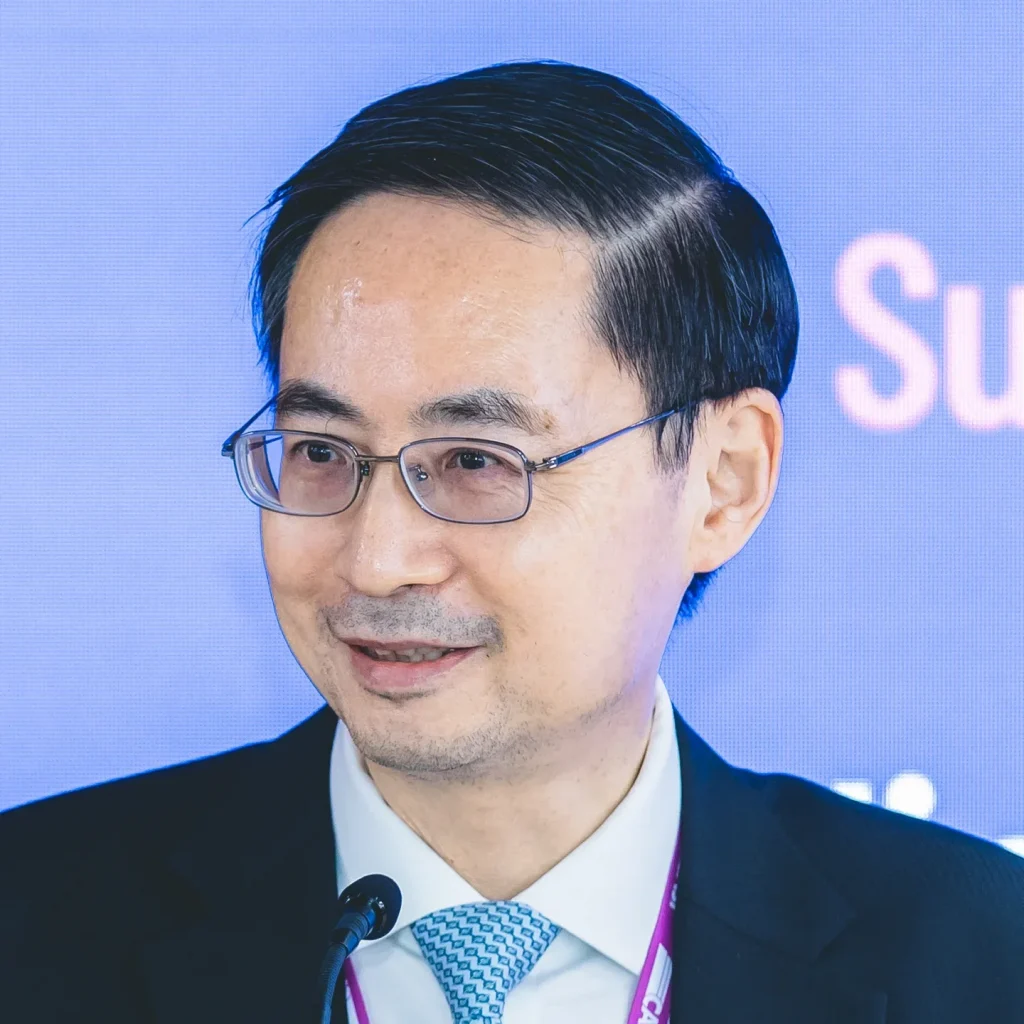
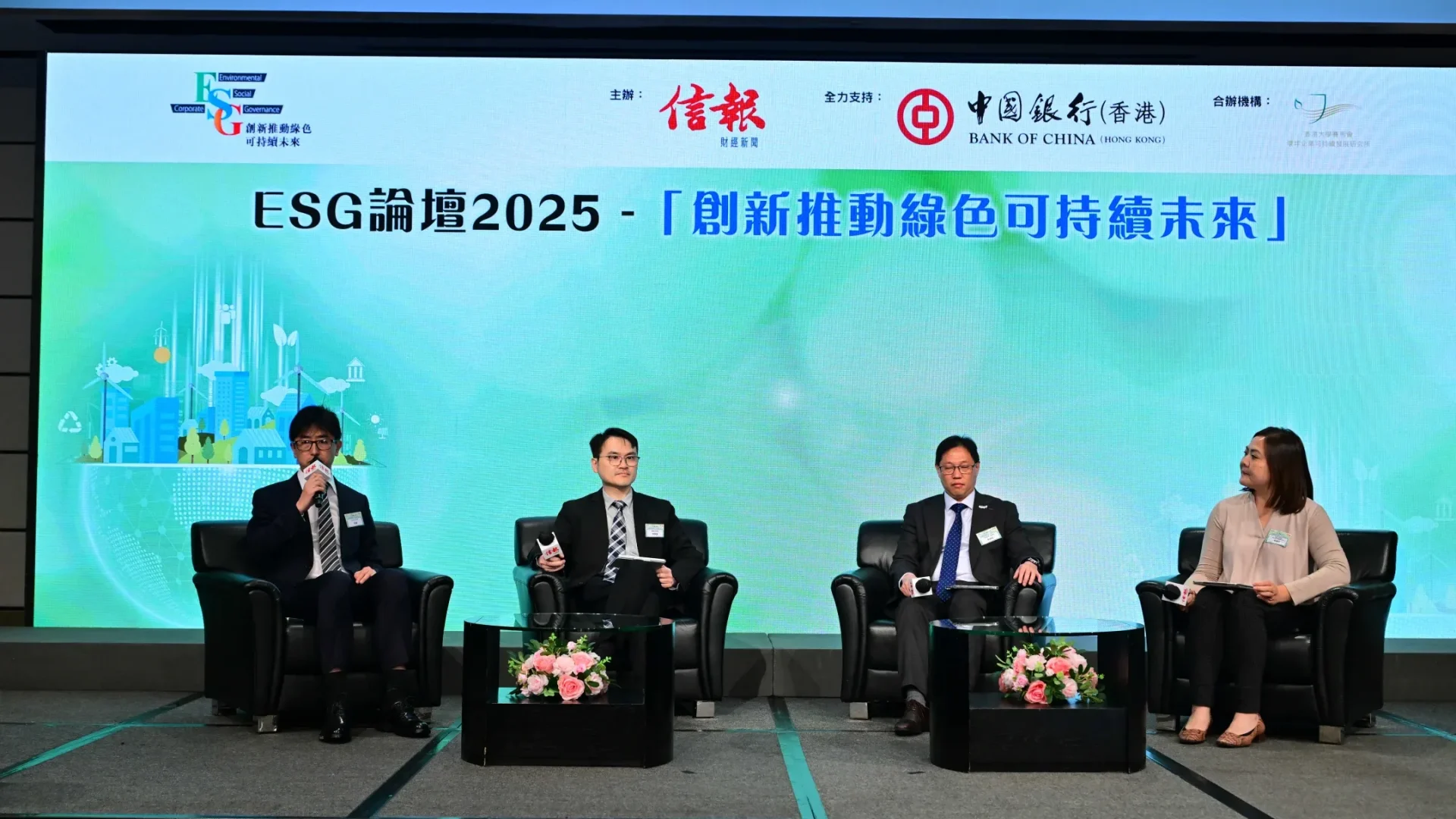
Mr. Au King-lun, Executive Director of the Hong Kong Financial Services Development Council, noted that the “low-hanging fruit” in green projects has largely been harvested in recent years. He emphasized that the market must now pivot toward “transition finance,” which requires more substantial funding and entails greater technical complexity. To tackle the fragmentation in carbon market standards, he suggested that Hong Kong develop an internationally recognized carbon credit rating and trading system. Such a system would help dismantle regional barriers and promote the global flow of carbon assets.
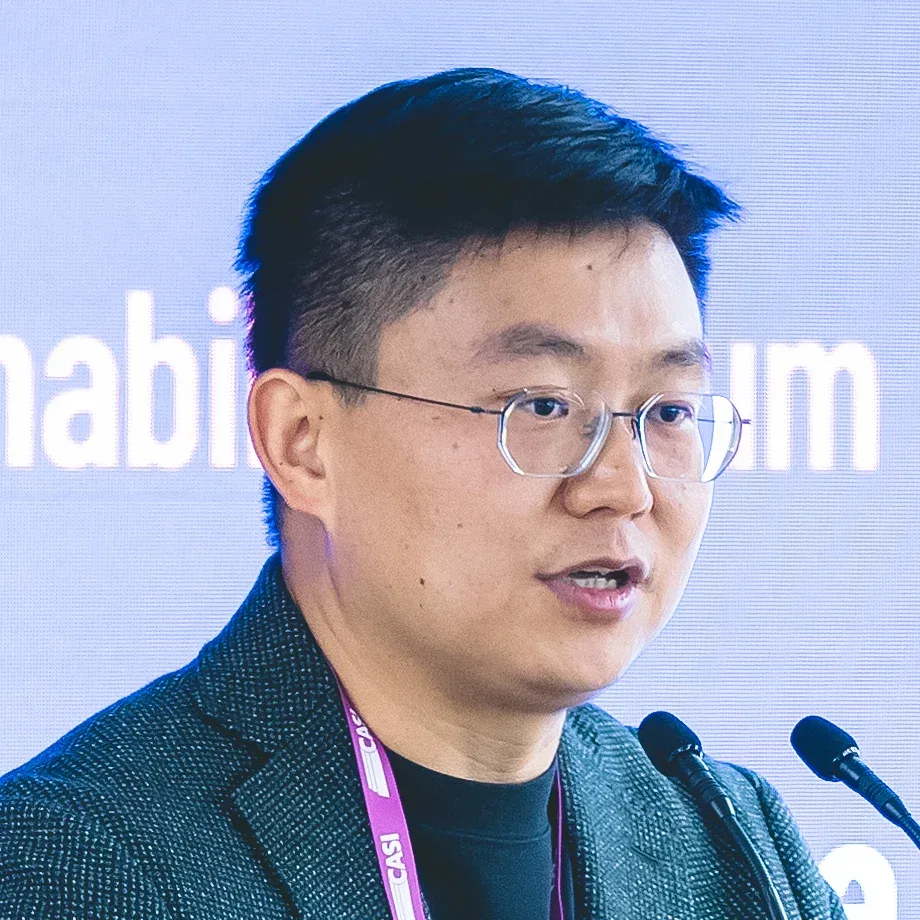
Mr. Xu Haifeng, Deputy Chief Executive and Chief Risk Officer of Bank of China (Hong Kong) Limited, emphasized that building a green ecosystem depends on developing inclusive financial standards and designing taxonomies that align with international norms while reflecting Asia’s unique characteristics. In terms of product innovation, he noted that efforts should extend beyond carbon emission metrics to also encompass areas such as biodiversity, supply chain collaboration, and climate adaptation financing. Furthermore, technology-driven progress has already delivered tangible results: settlement processes have been shortened from several days to just one day. This gain in efficiency has established a convenient and transparent digital channel, enabling global investors to participate in Asia’s green transition.
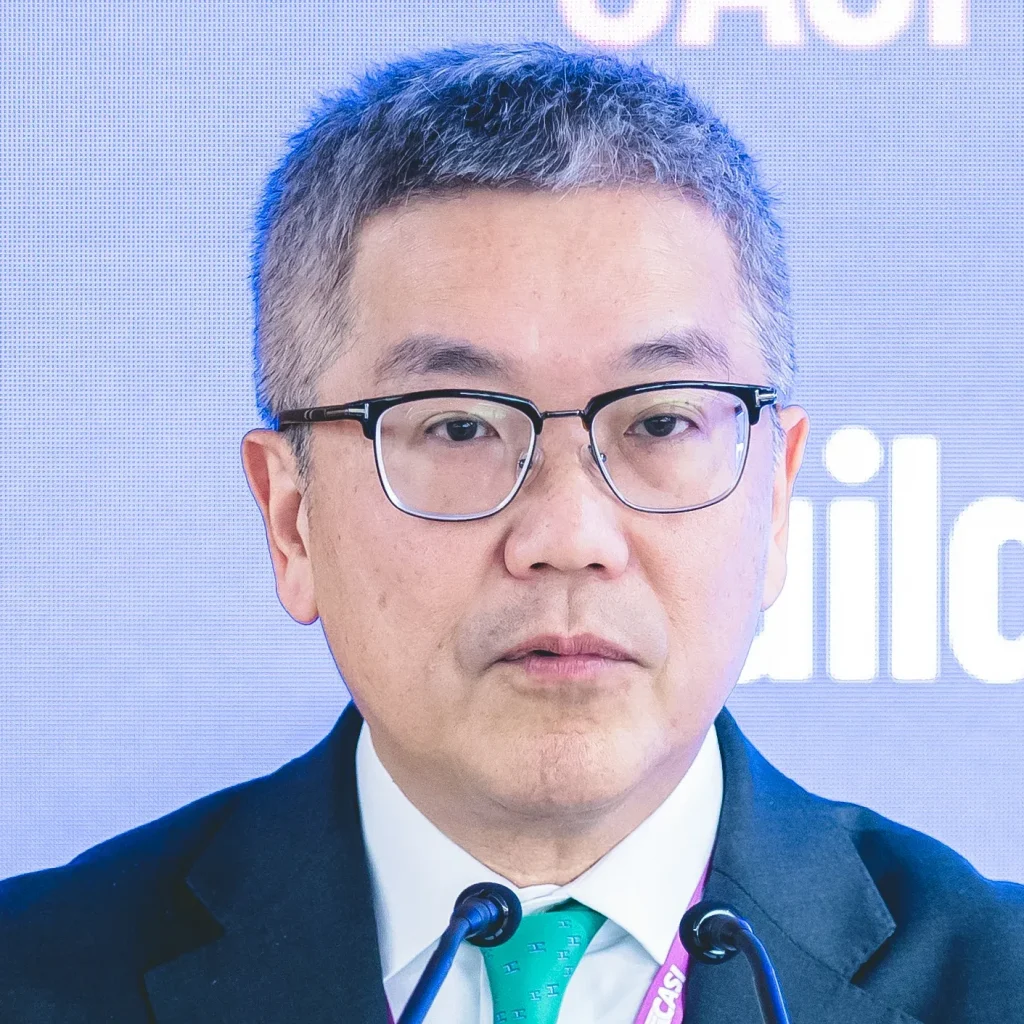
Ms. To Pui-wai, Senior Vice President, (Sustainability) for Technology, Innovation and Entrepreneurship at Invest Hong Kong, highlighted the significant transformation in Hong Kong’s green investment landscape: the share of investment from the Chinese mainland has surged from 6% in 2000 to 22% in 2023. Moreover, she pointed out that the Chinese mainland leads the global energy storage market. Building on this trend, Ms. To stressed that Hong Kong should not only focus on “bringing in” top global green technology companies but also assist mainland enterprises with advanced technologies in “going global.” She emphasized that Hong Kong is not merely a financing hub but also the optimal gateway for mainland green technology firms to enter international markets.
Conclusions
- Transition Finance Takes Centre Stage
The era of exclusive green project benefits has passed. Funding must now support the transformation of high-to-abate sectors, requiring more sophisticated financial instruments and inclusive standards.
- Digital Infrastructure Boosts Efficiency
Tokenization, digital currency settlements, and blockchain have moved beyond pilot stages into real-world use, significantly cutting the cost of cross-border green capital flows.
- Carbon Markets Need Bond-Style Frameworks
To tackle market fragmentation, carbon markets should adopt a unified rating system akin to bond markets, a role Hong Kong is well-positioned to lead, given its credibility and market foundation.
- Asia Becomes the Green Investment Hub
As global green tech investment shifts eastward, Hong Kong can seize this momentum to bridge China’s green production capabilities with international climate finance.