
Roundtable Reflections:
2025 Bay Area Sustainability Blueprint: From Research to Practice, how Nature Risks and Data Insights are Reshaping Sustainable Investment
2025 Bay Area Sustainability Blueprint: From Research to Practice, how Nature Risks and Data Insights are Reshaping Sustainable Investment
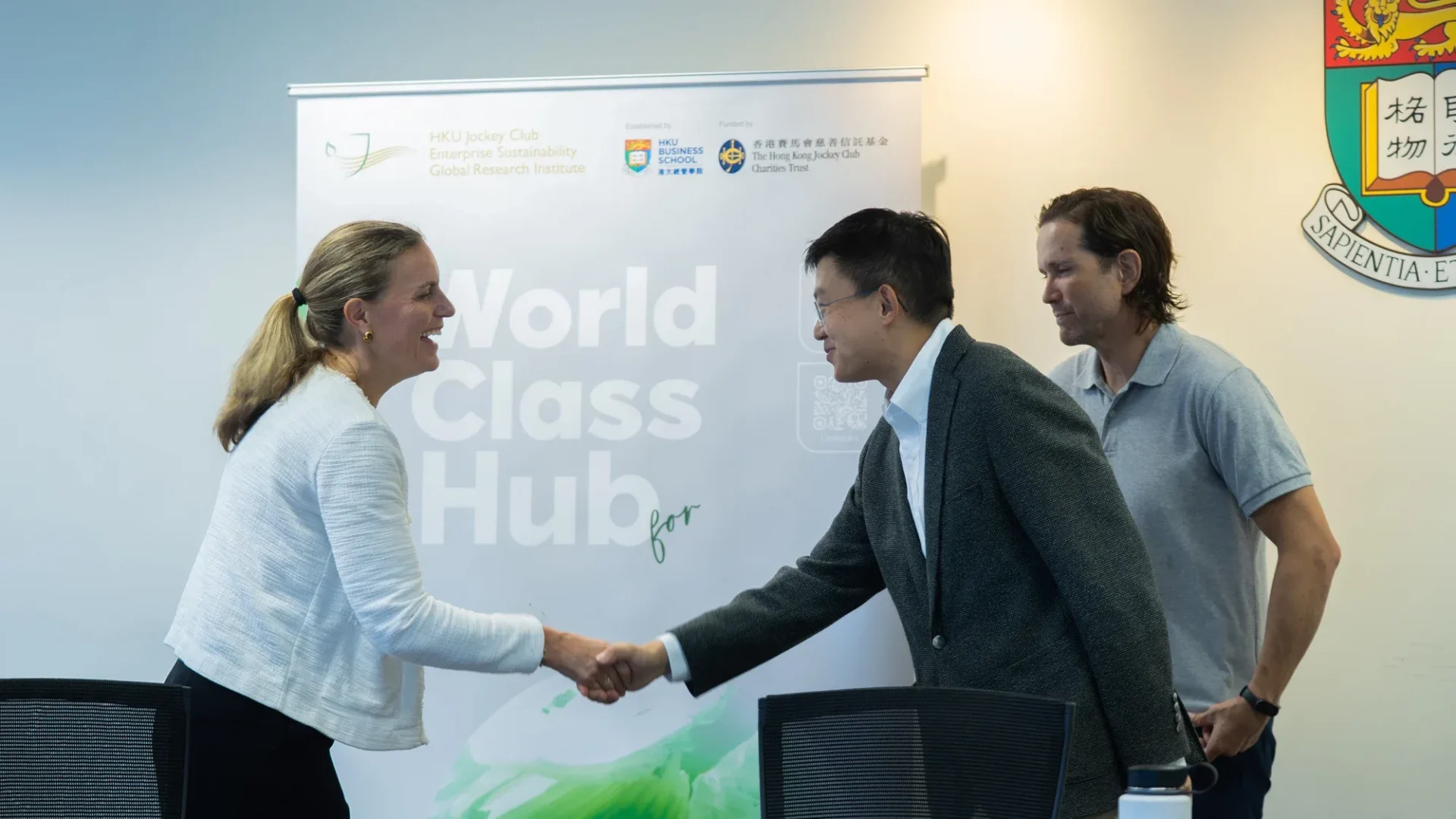
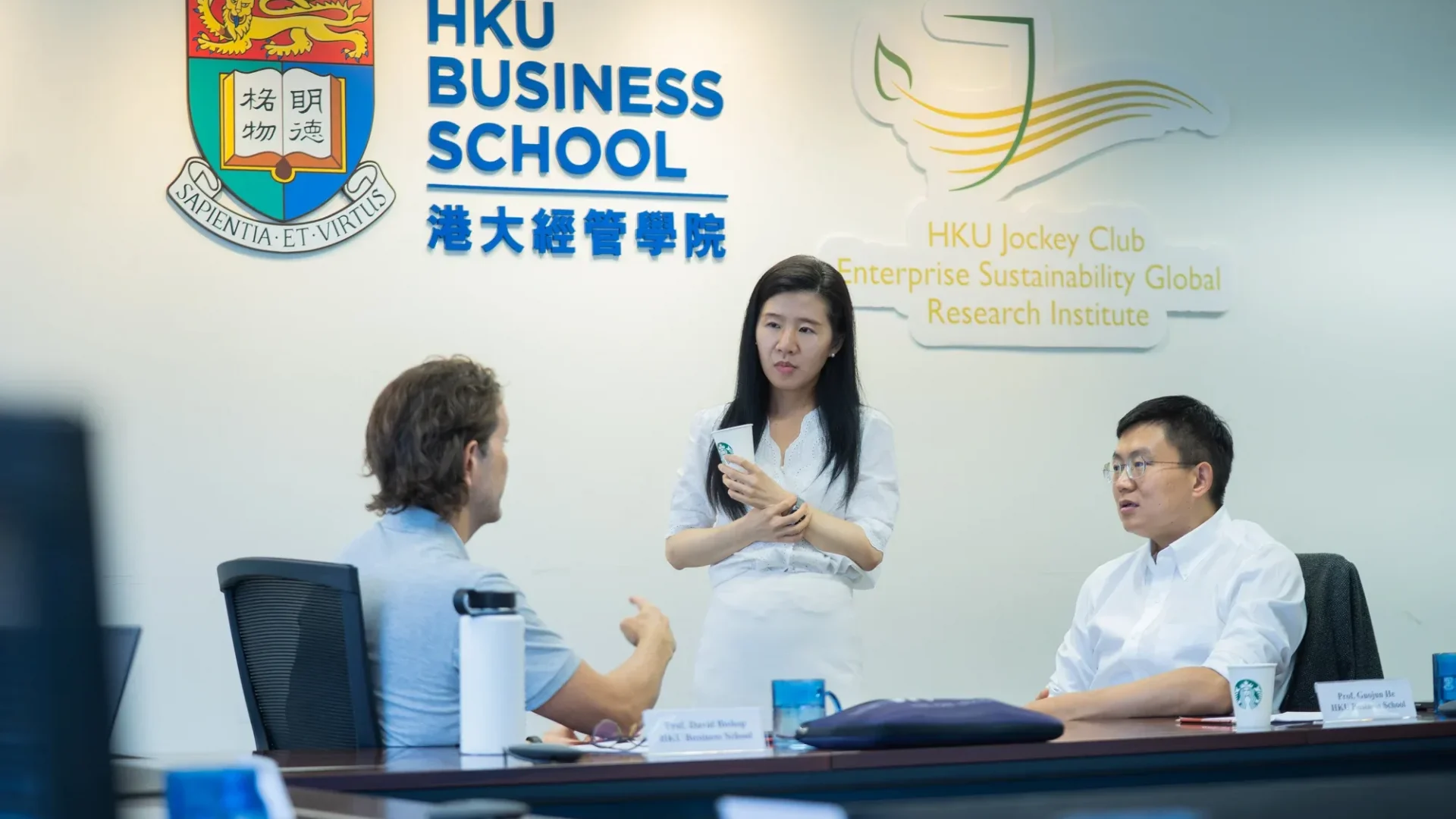
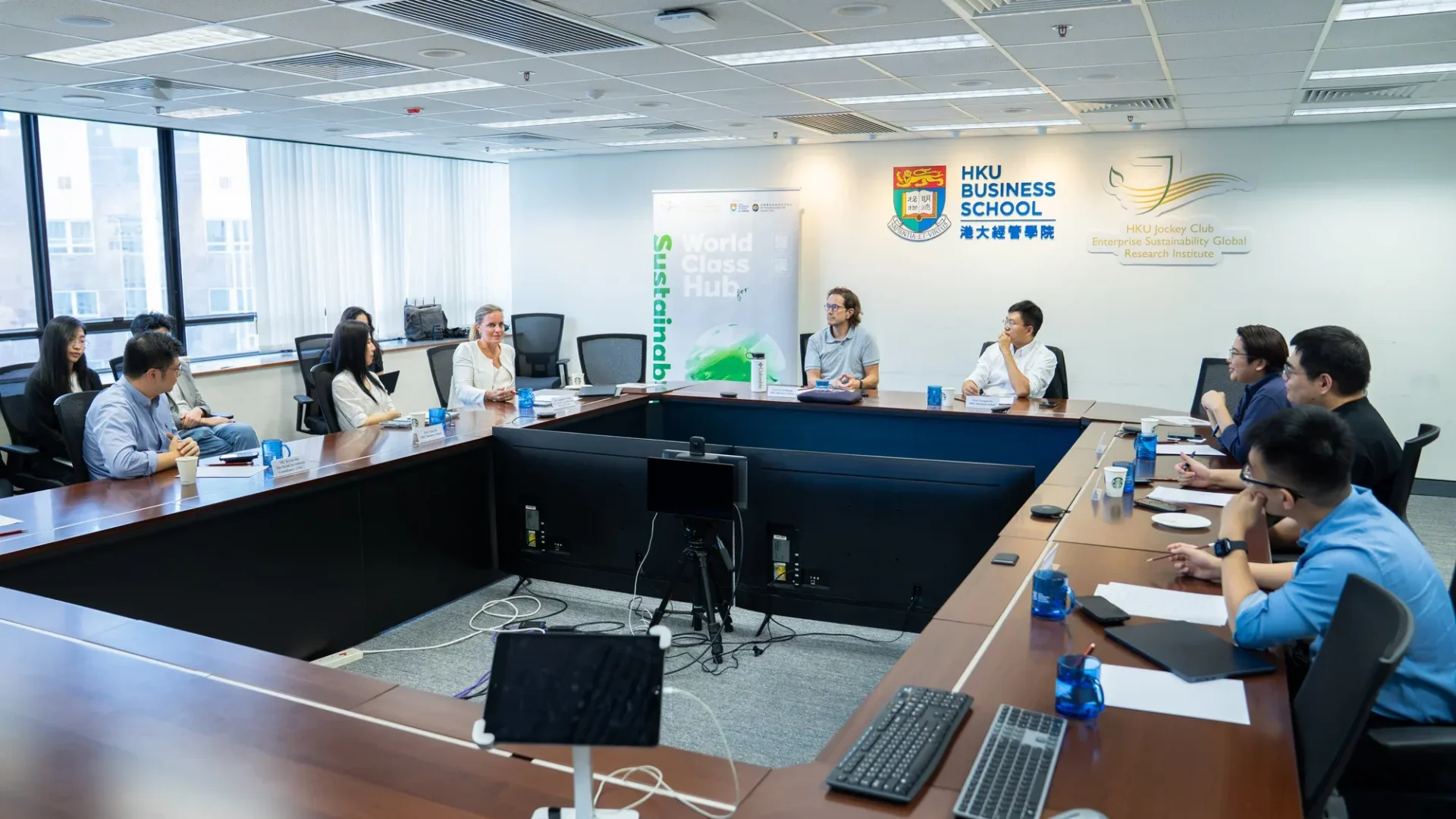
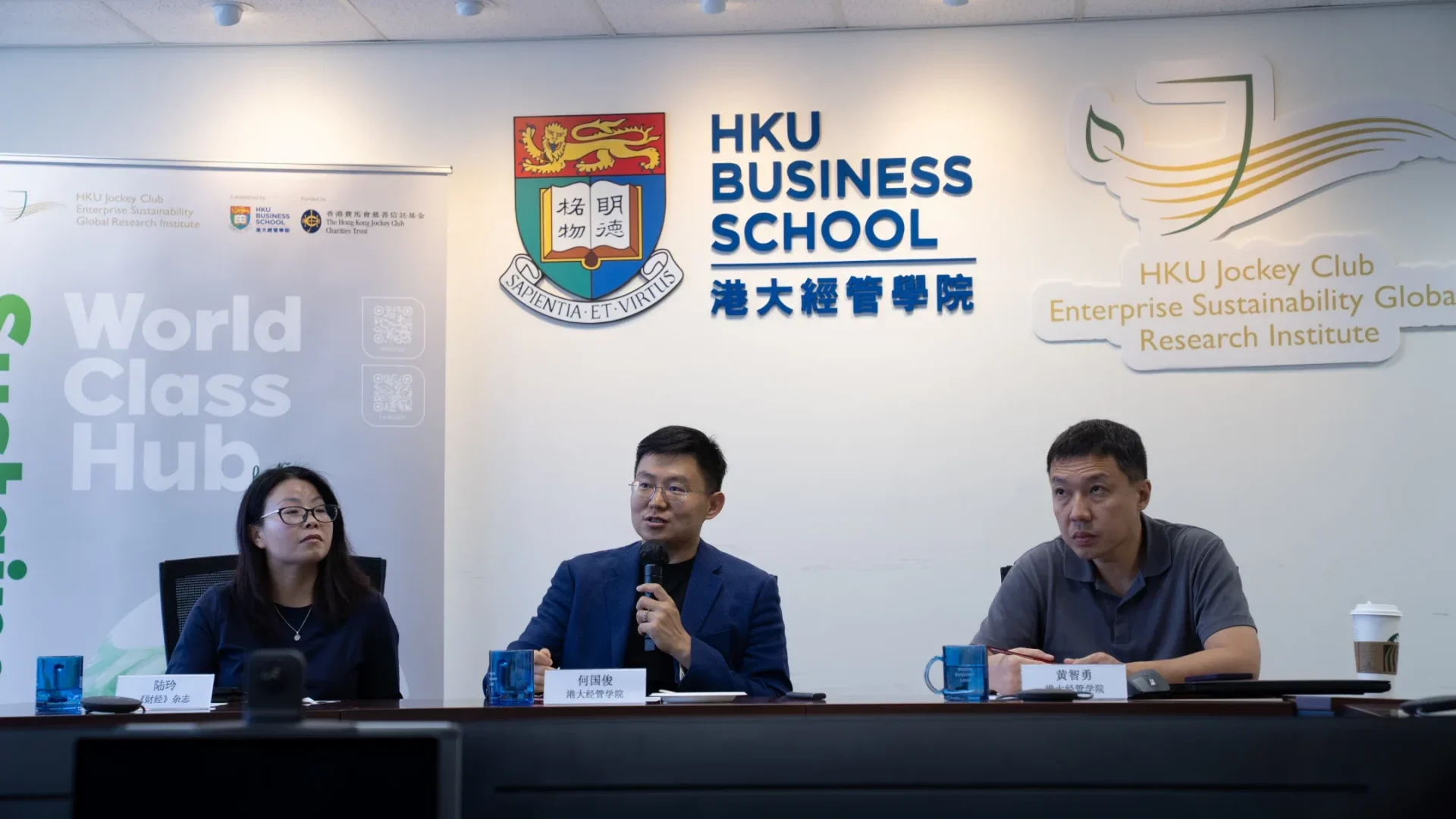
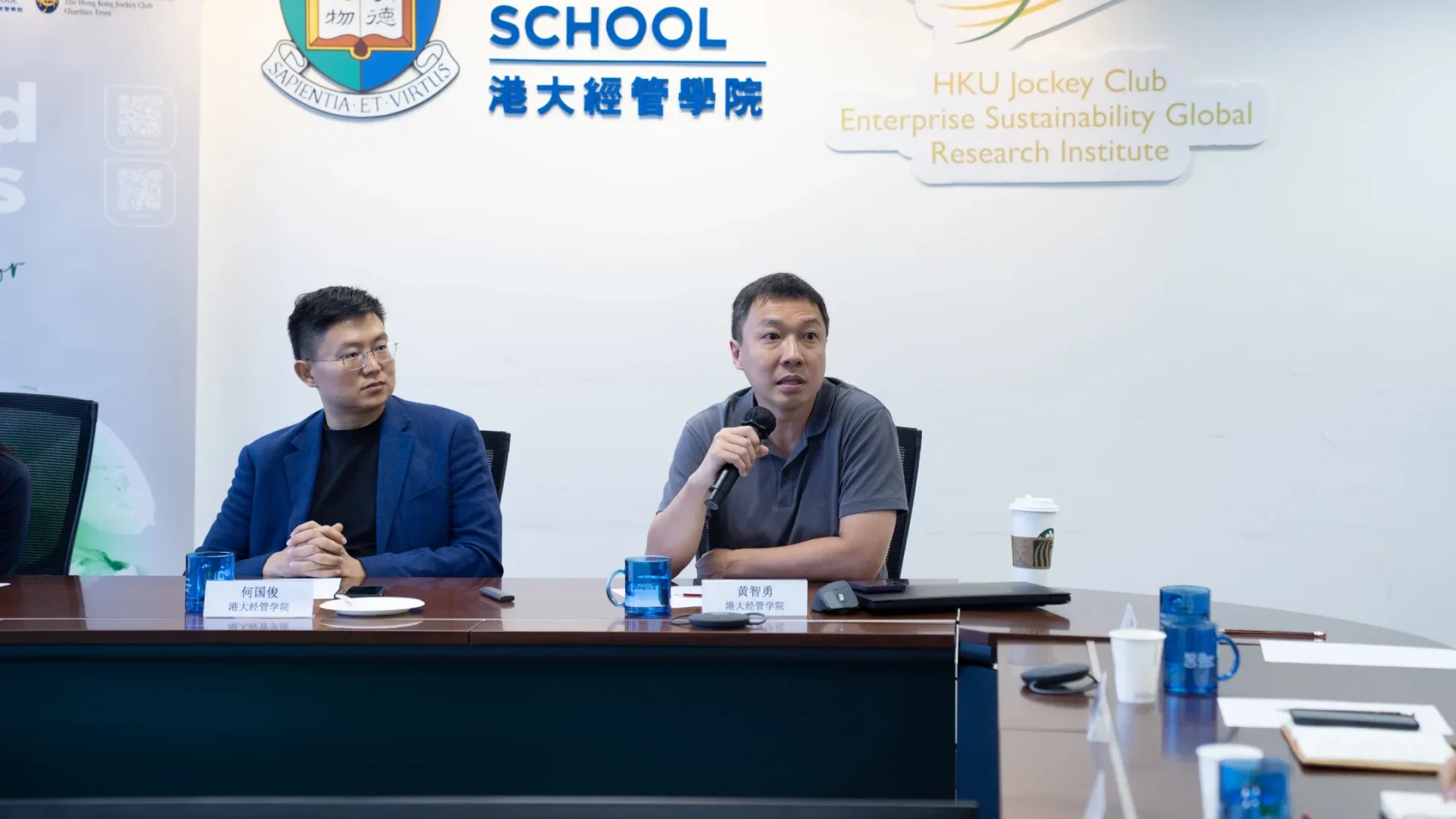
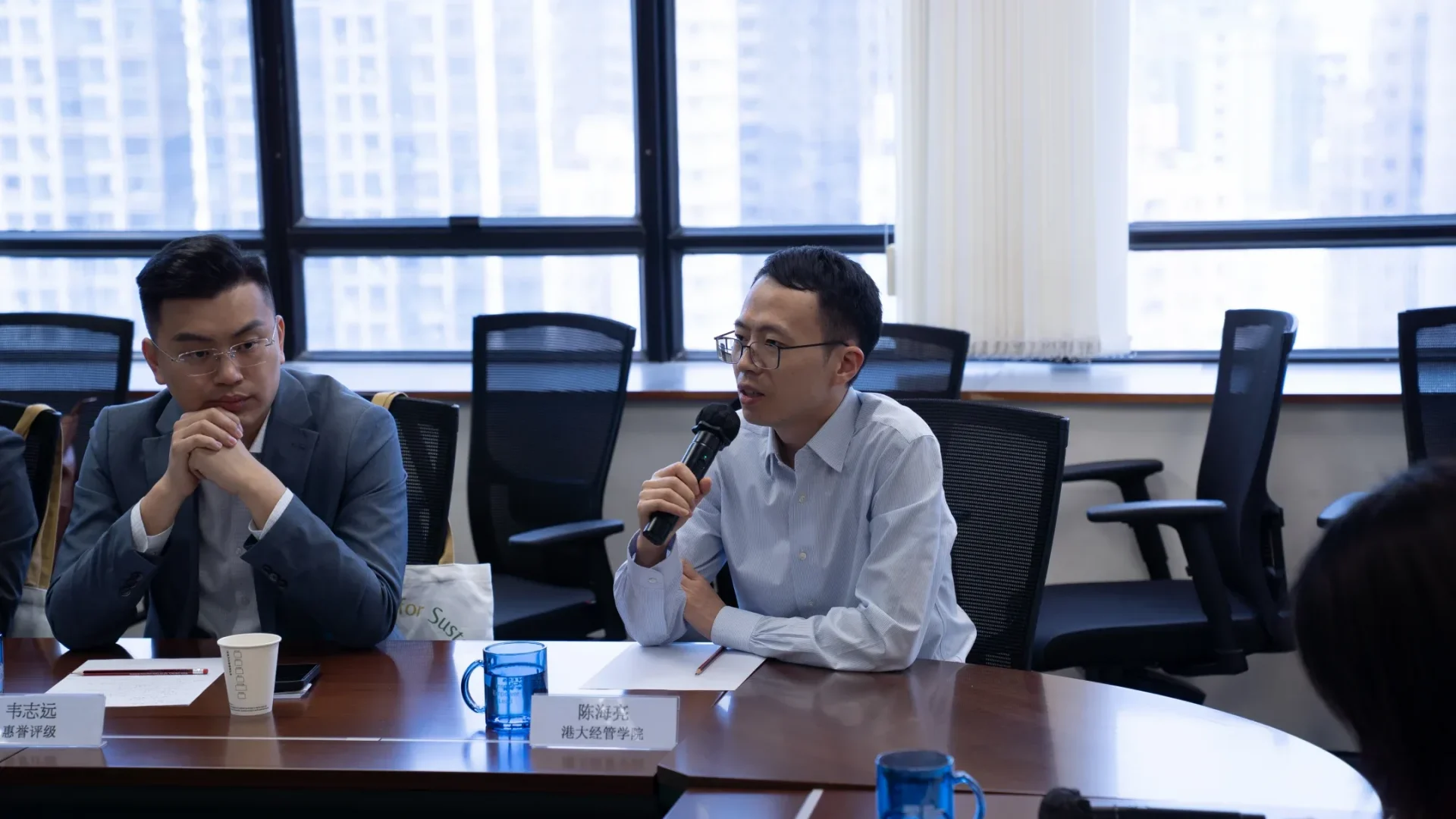
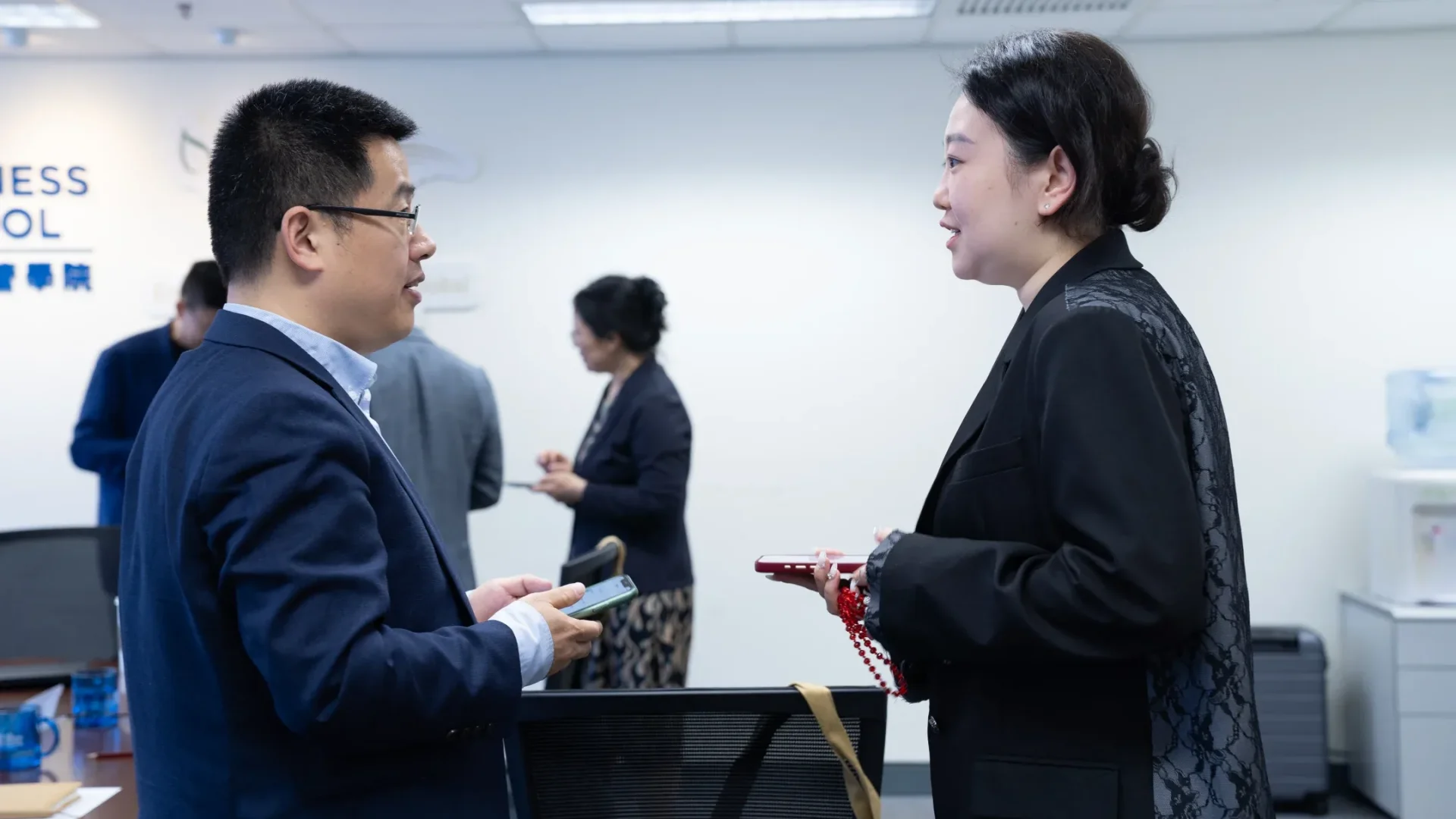
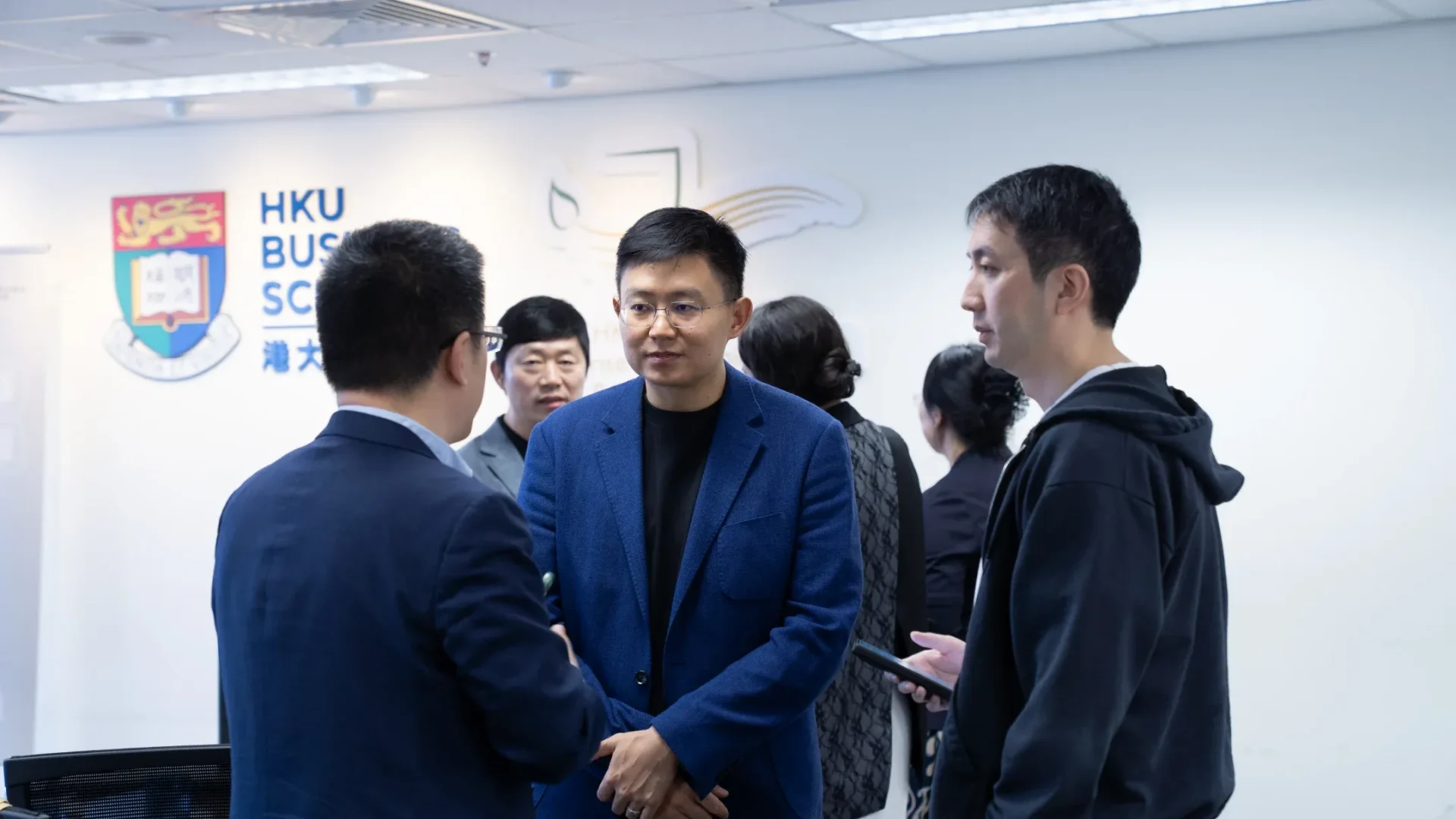
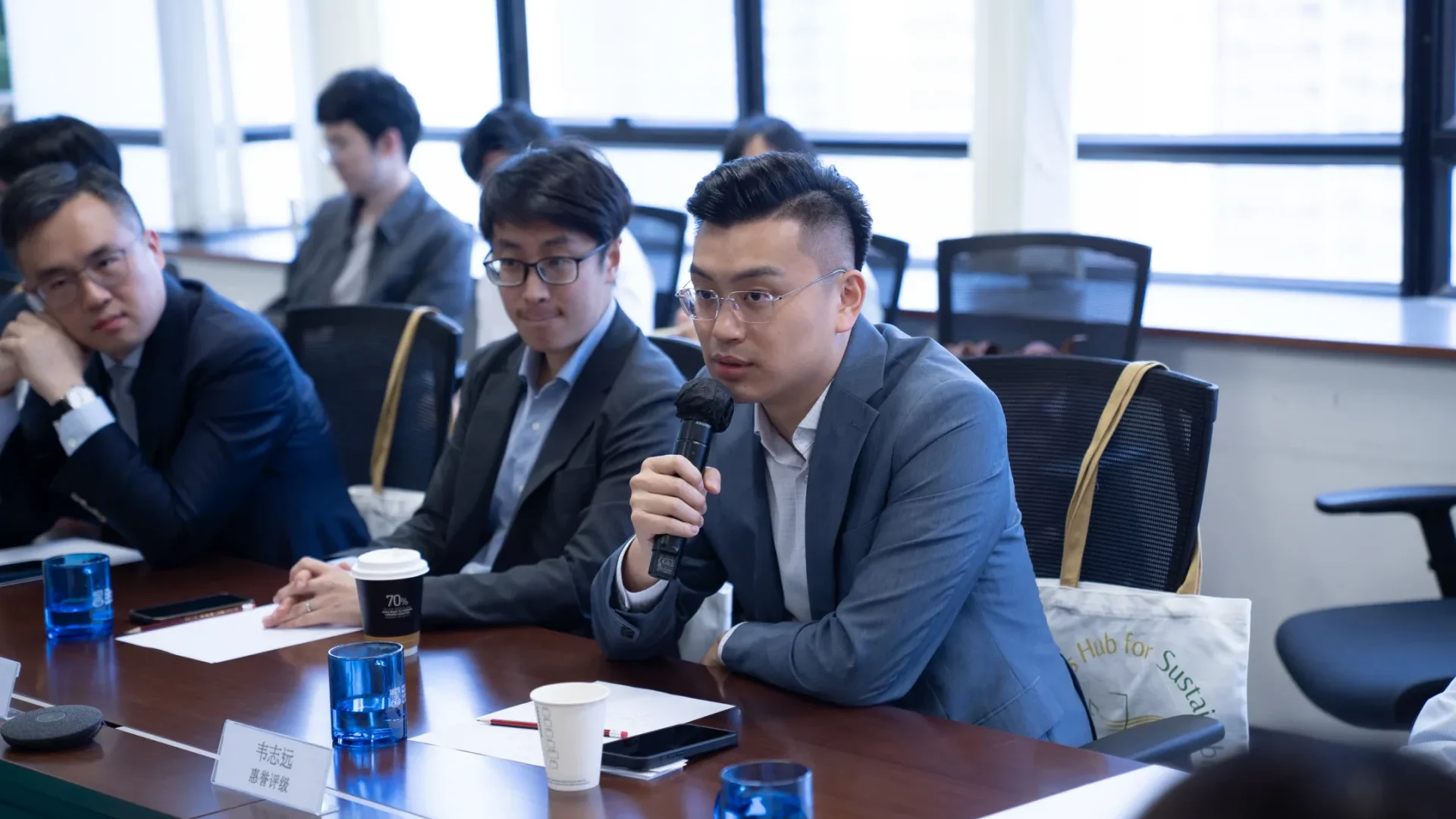
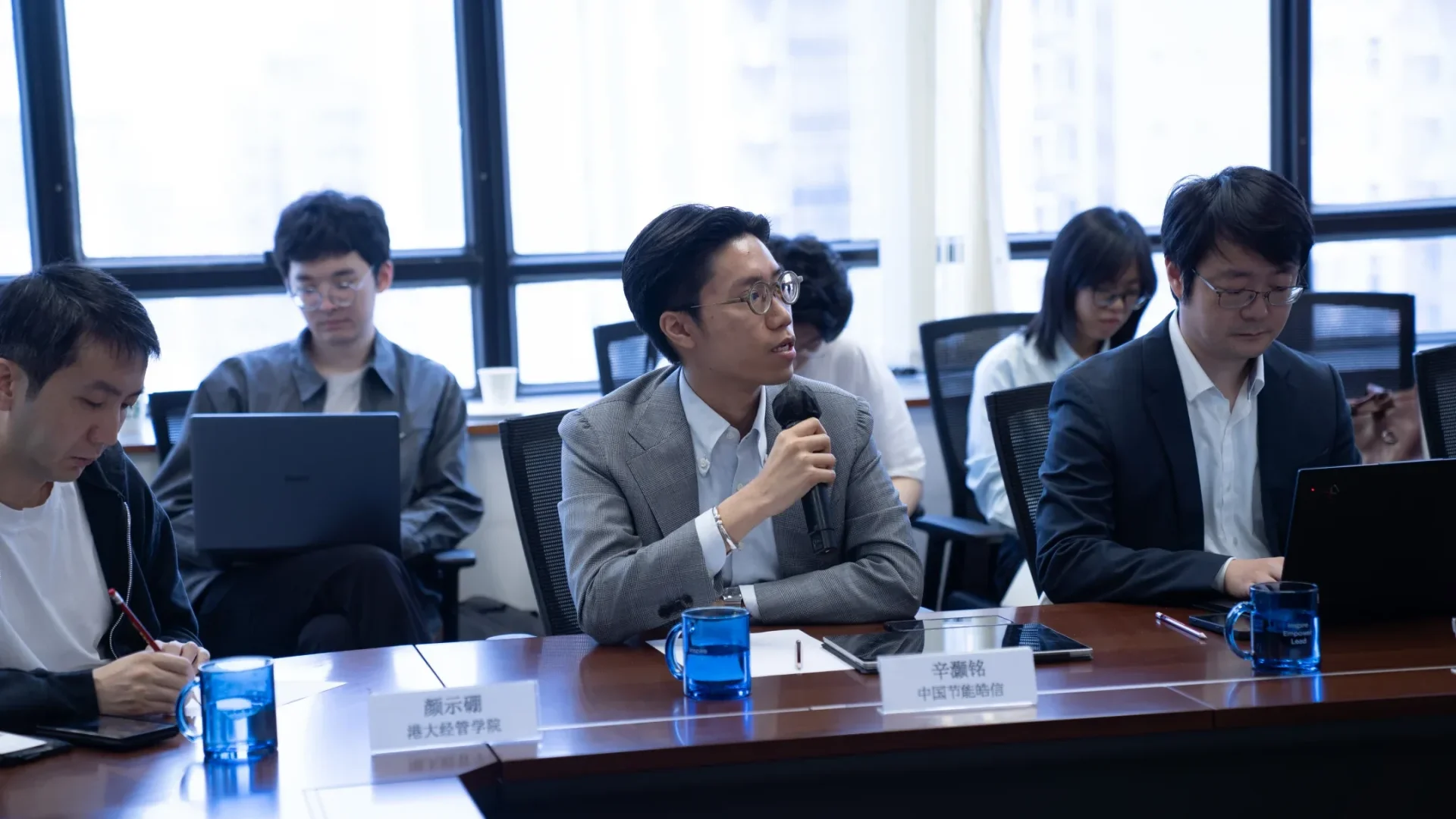
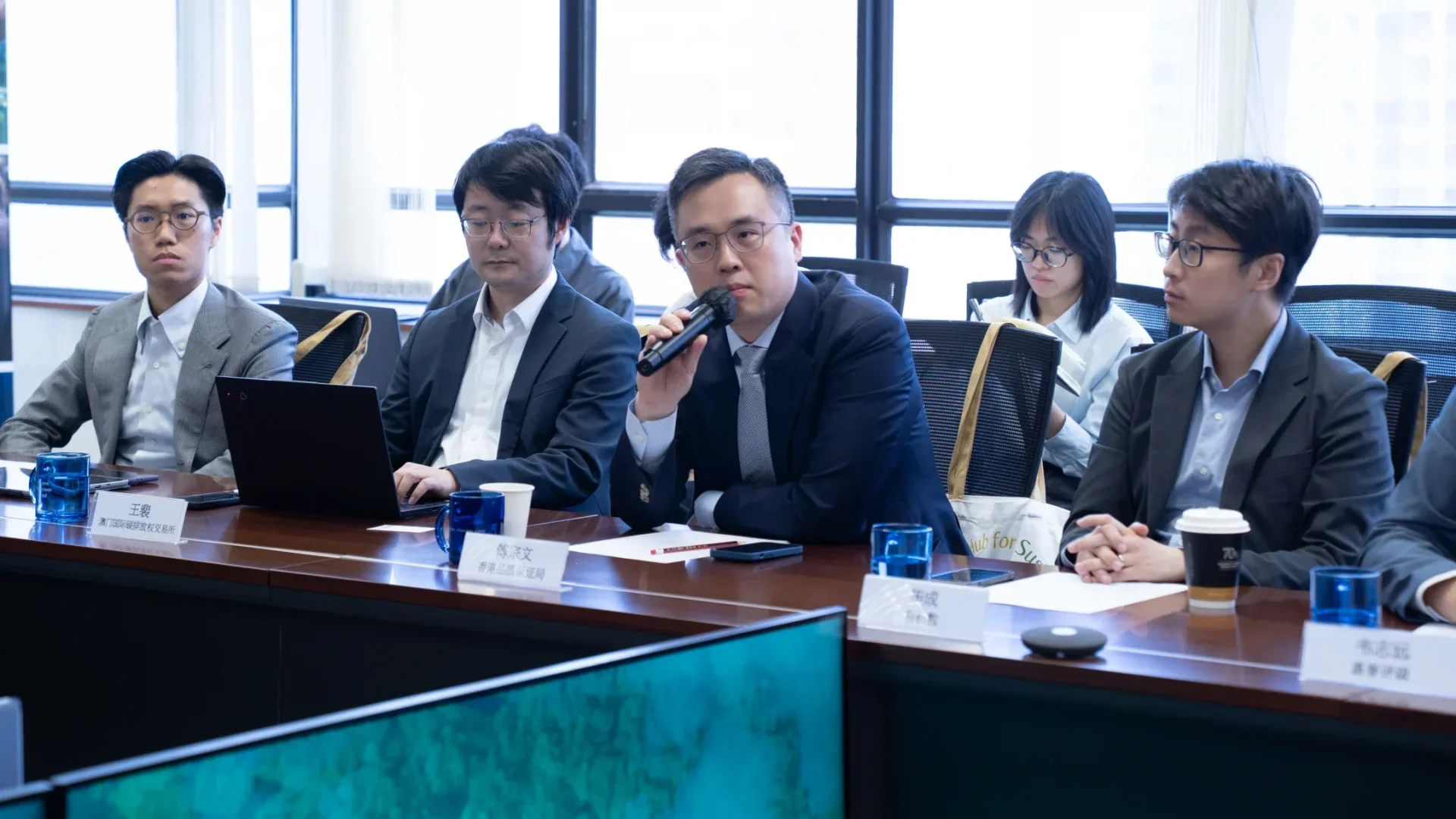
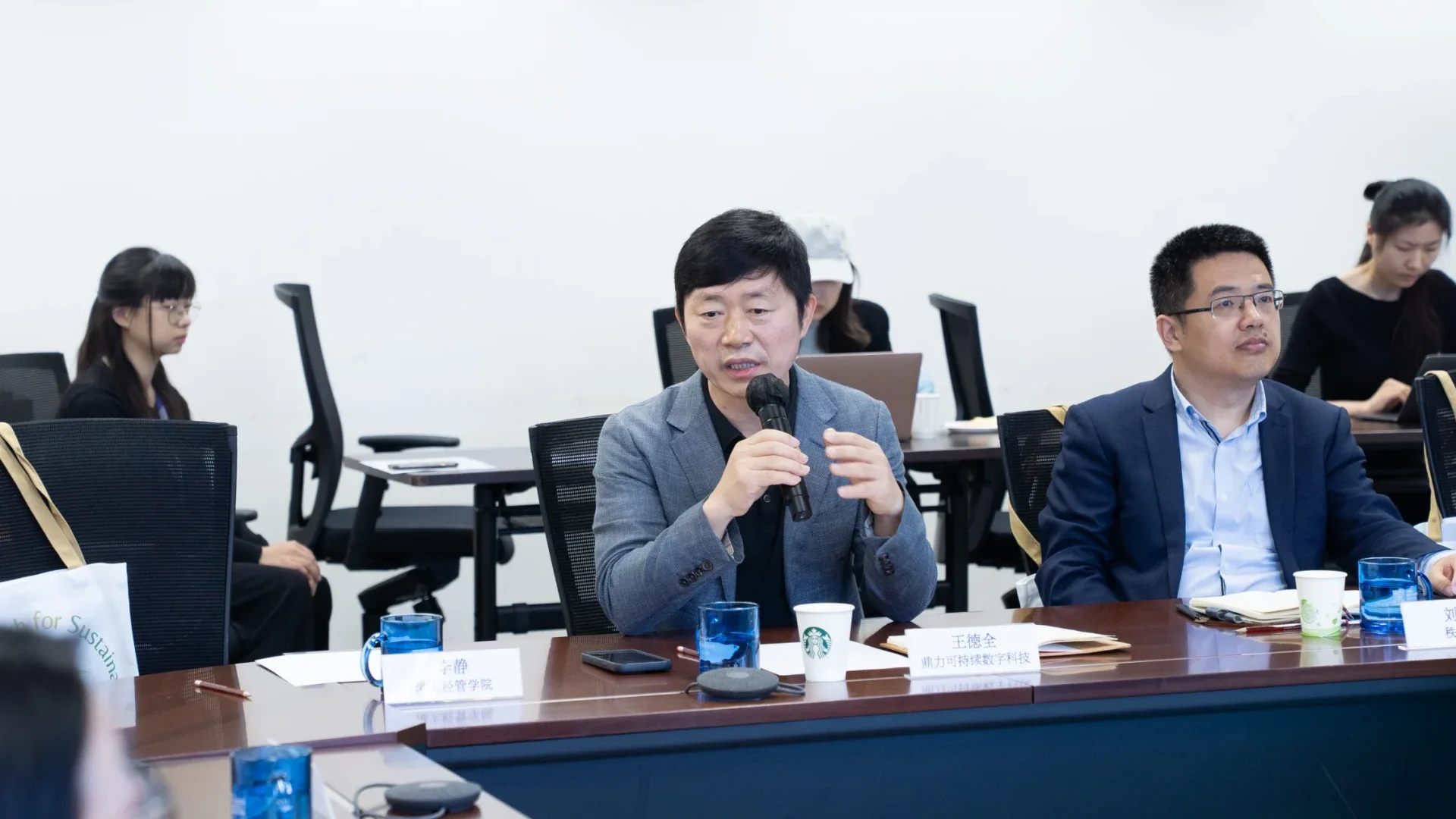
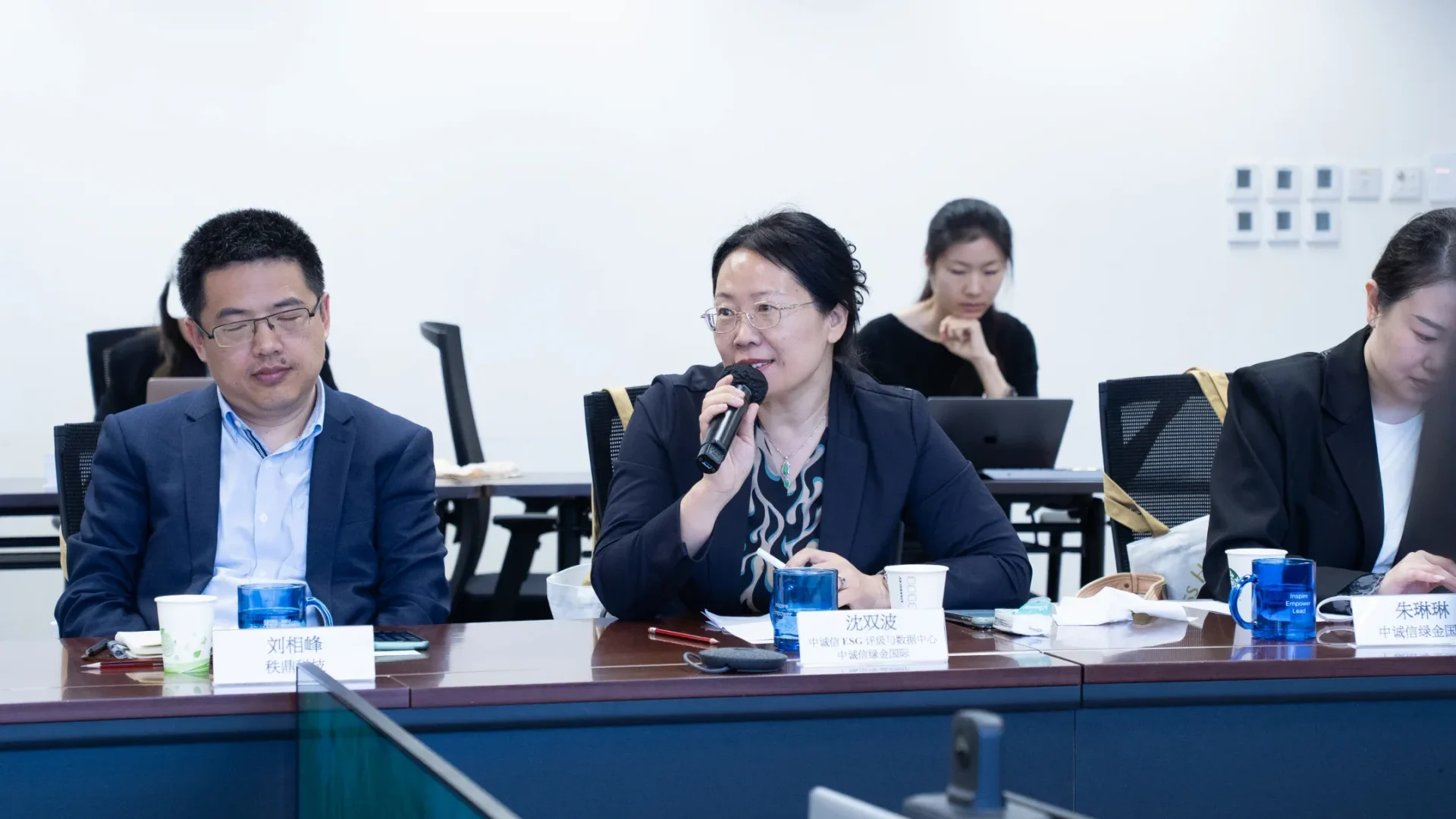
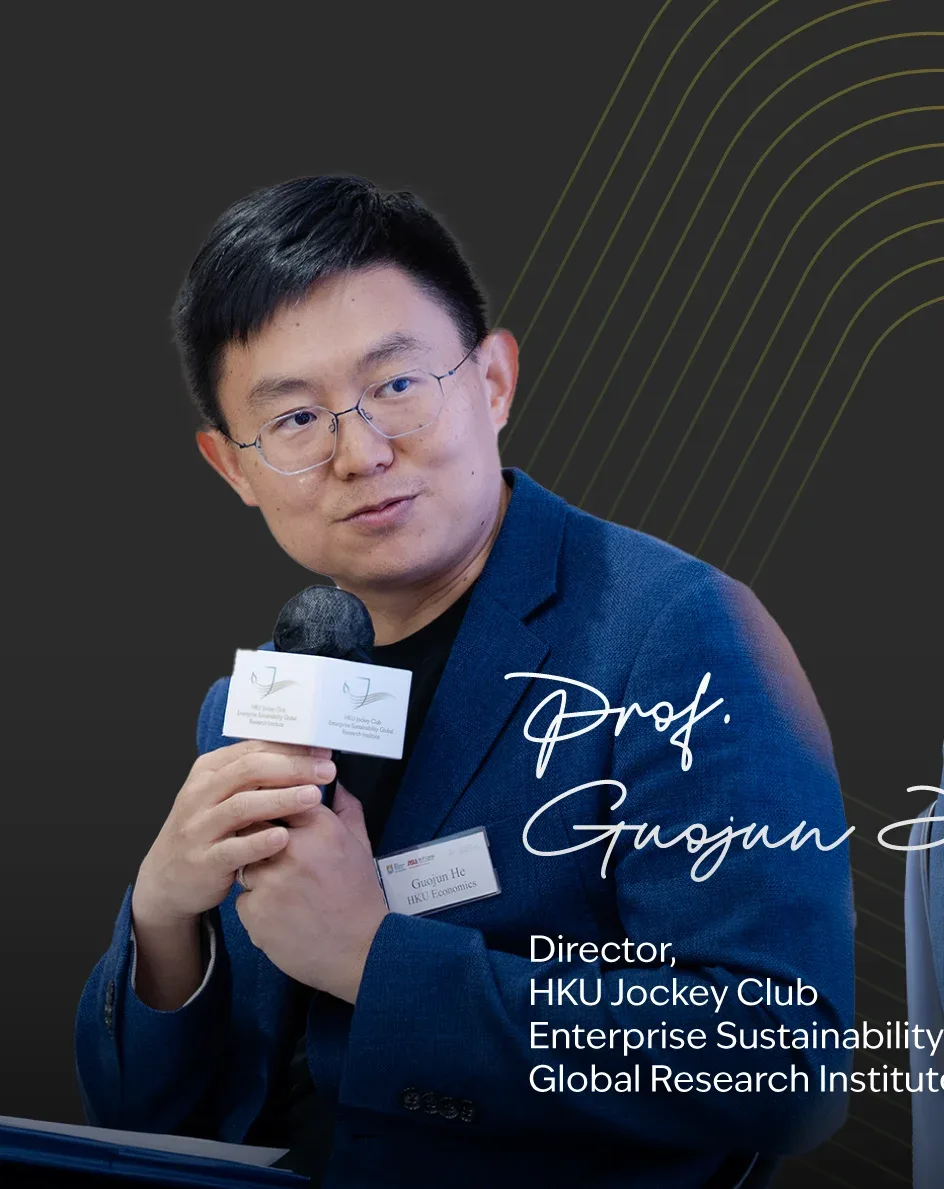
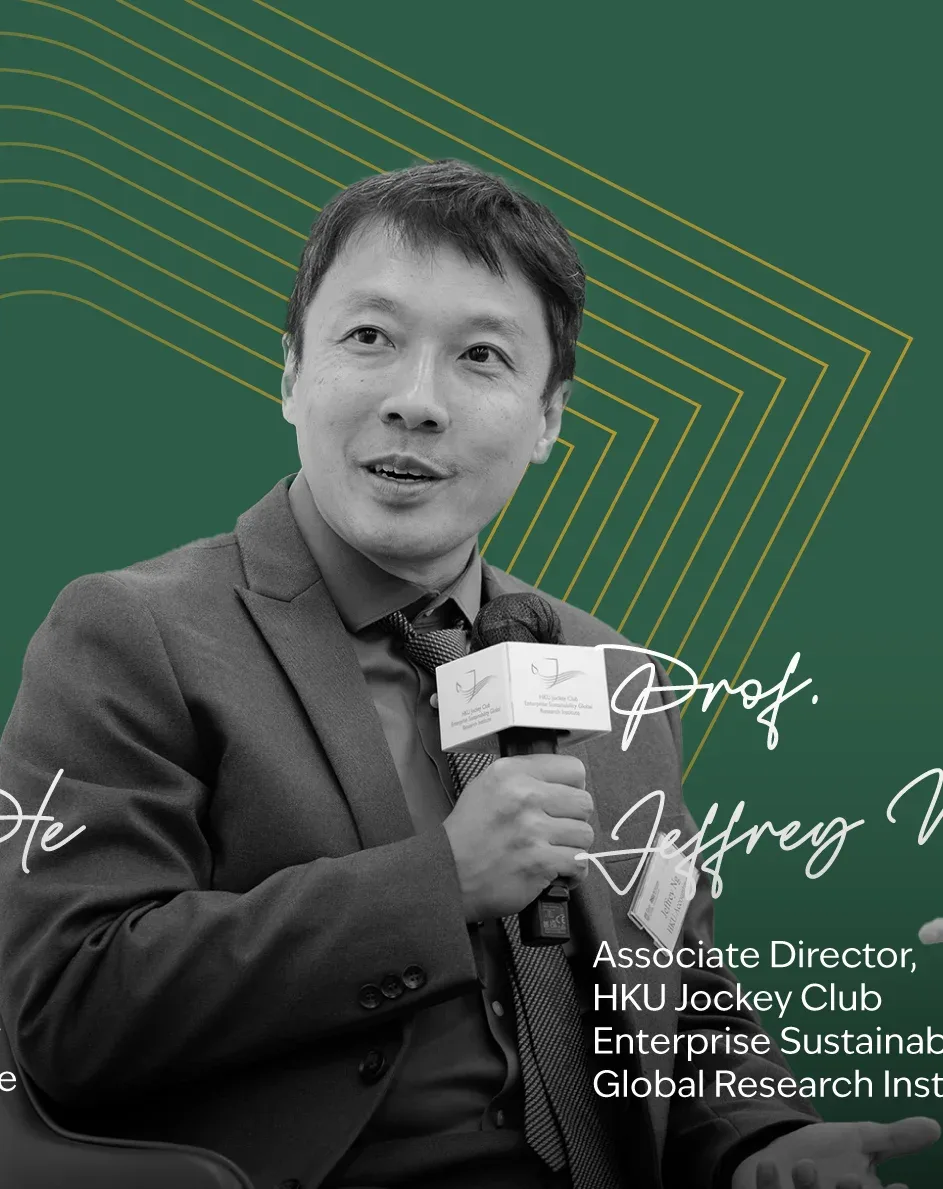
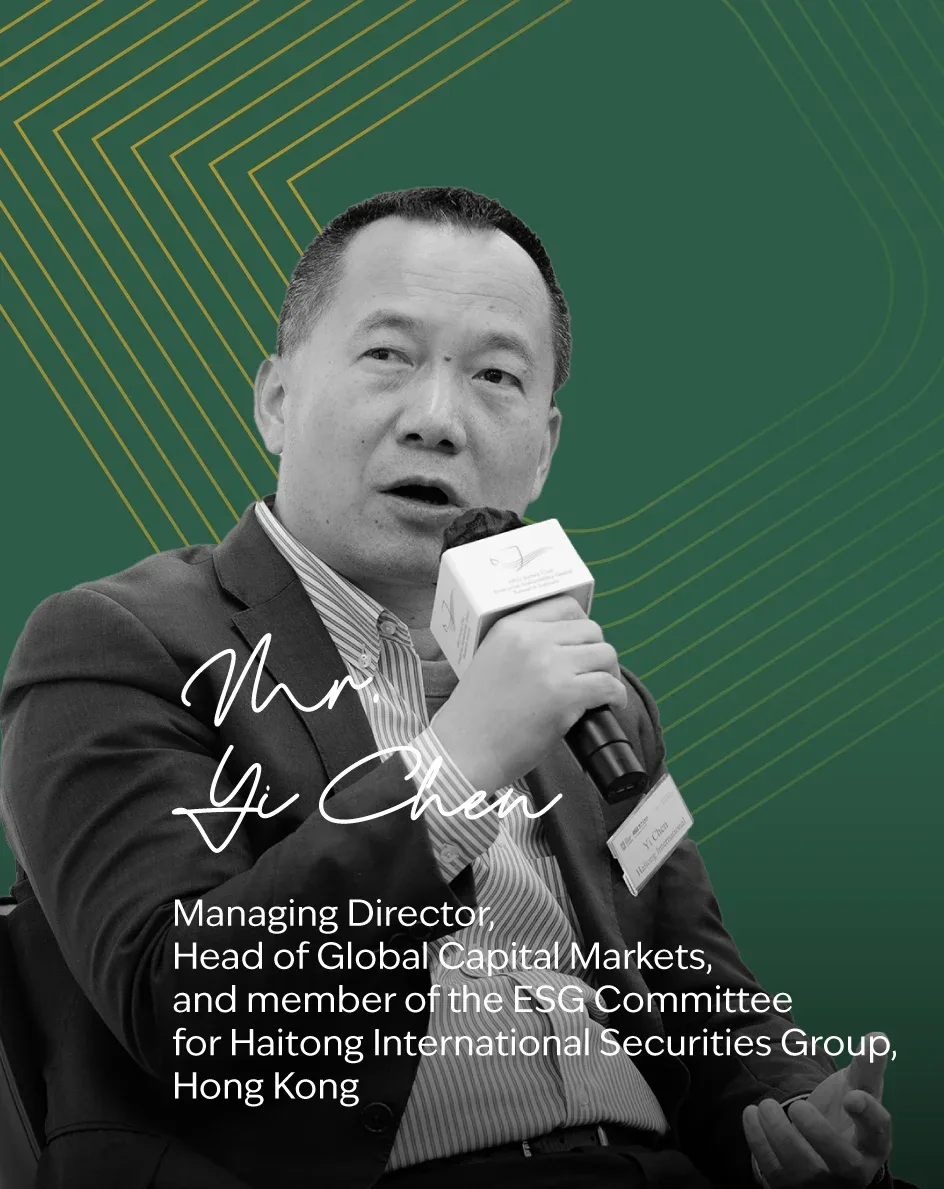
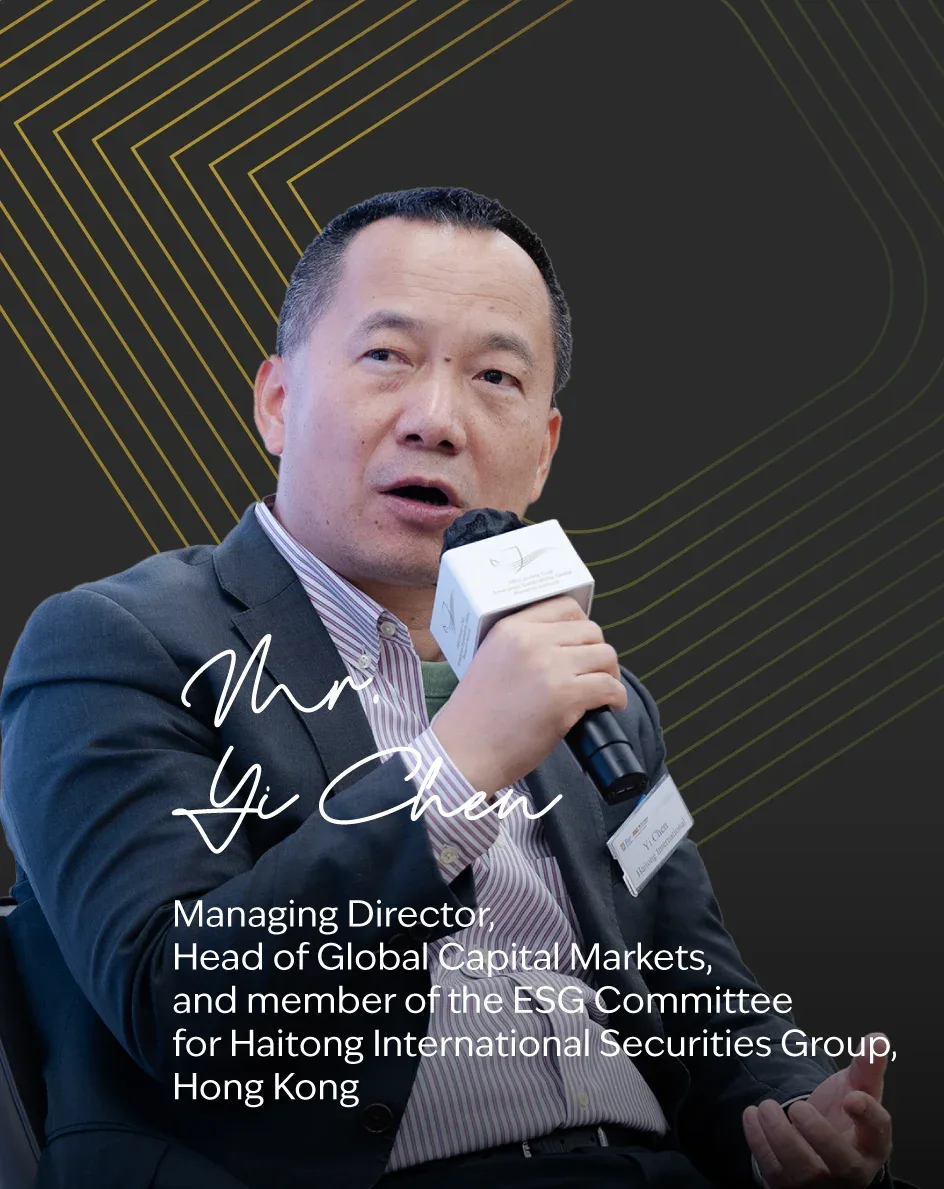
Building on months of reflection, on December 4, 2025, our research institute, together with Syncicap Asset Management, and FAIRR, has once again extended this thematic workshop series, and successfully co-hosted the fifth closed-door workshop, centered on ESG data, ratings and indices. The focus of this time is: “From Research to Practice – How Nature Risks and Data Insights Reshape Sustainable Investment.”
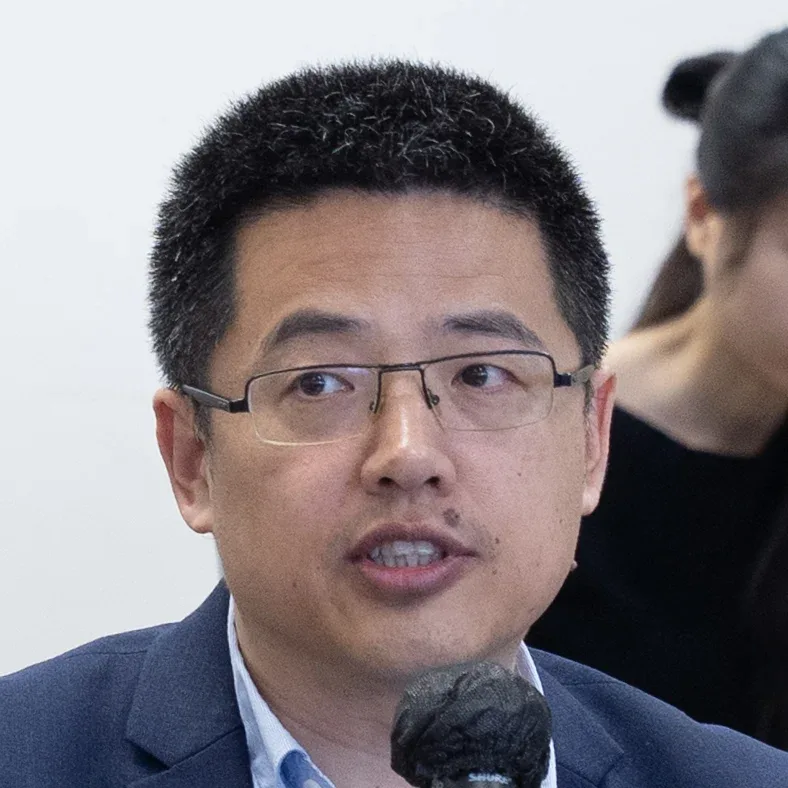
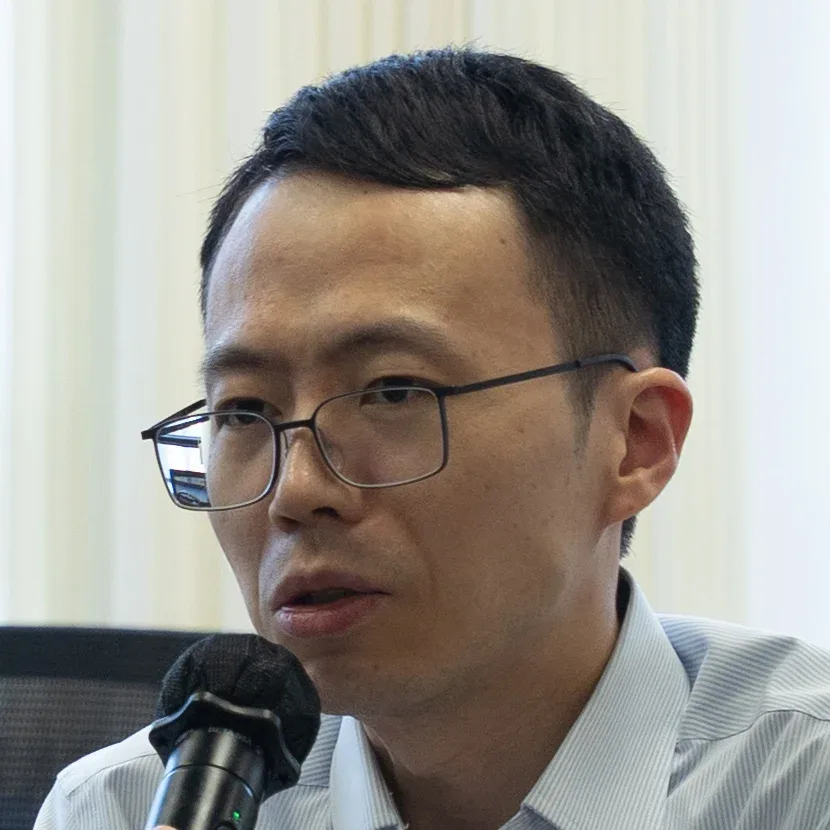
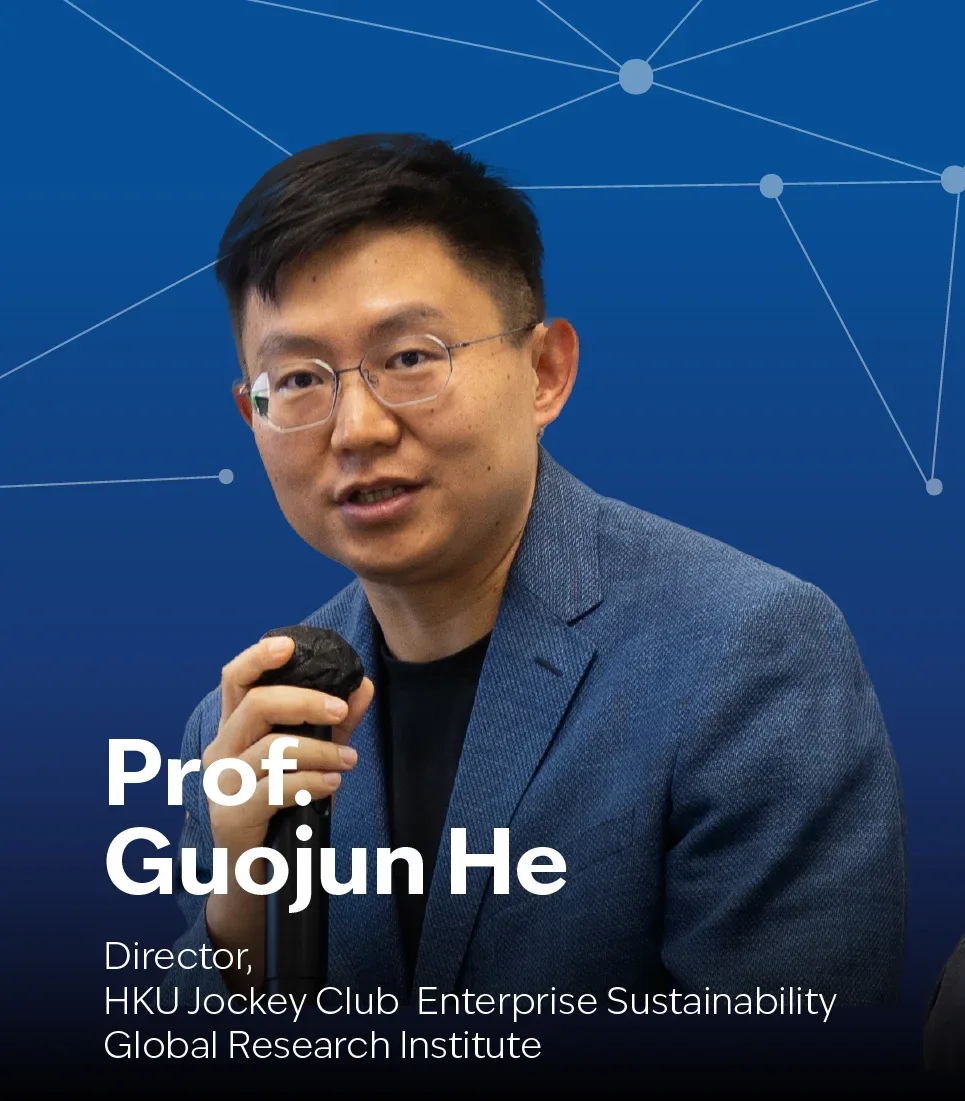
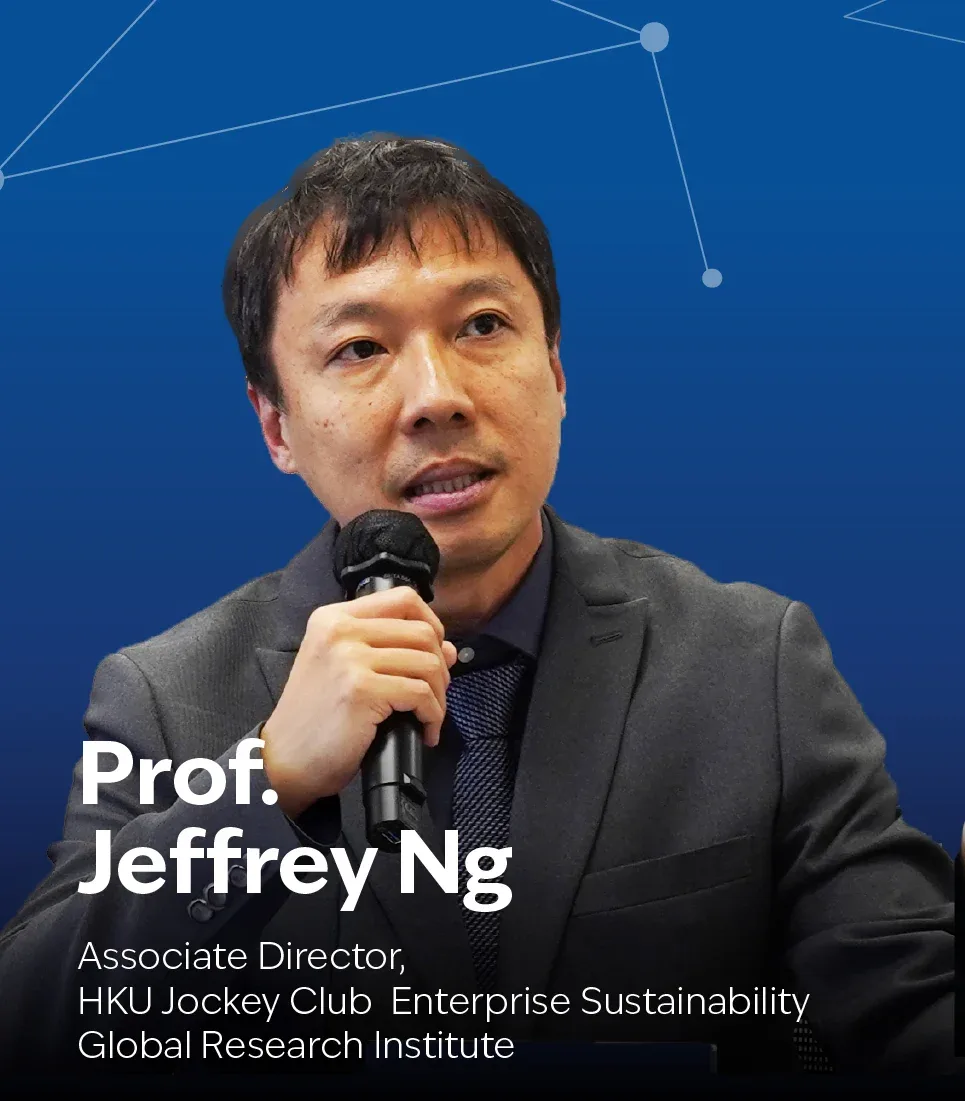
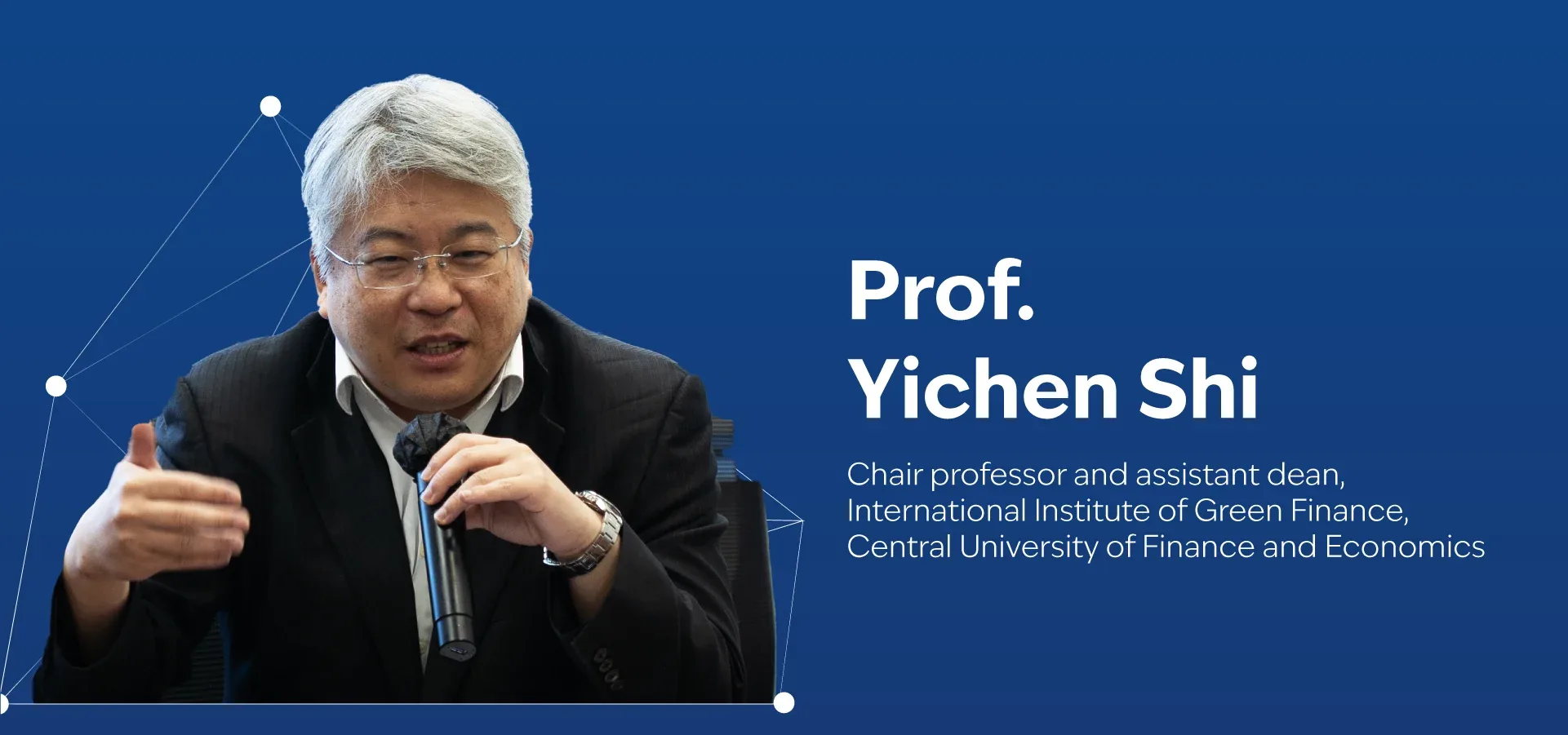
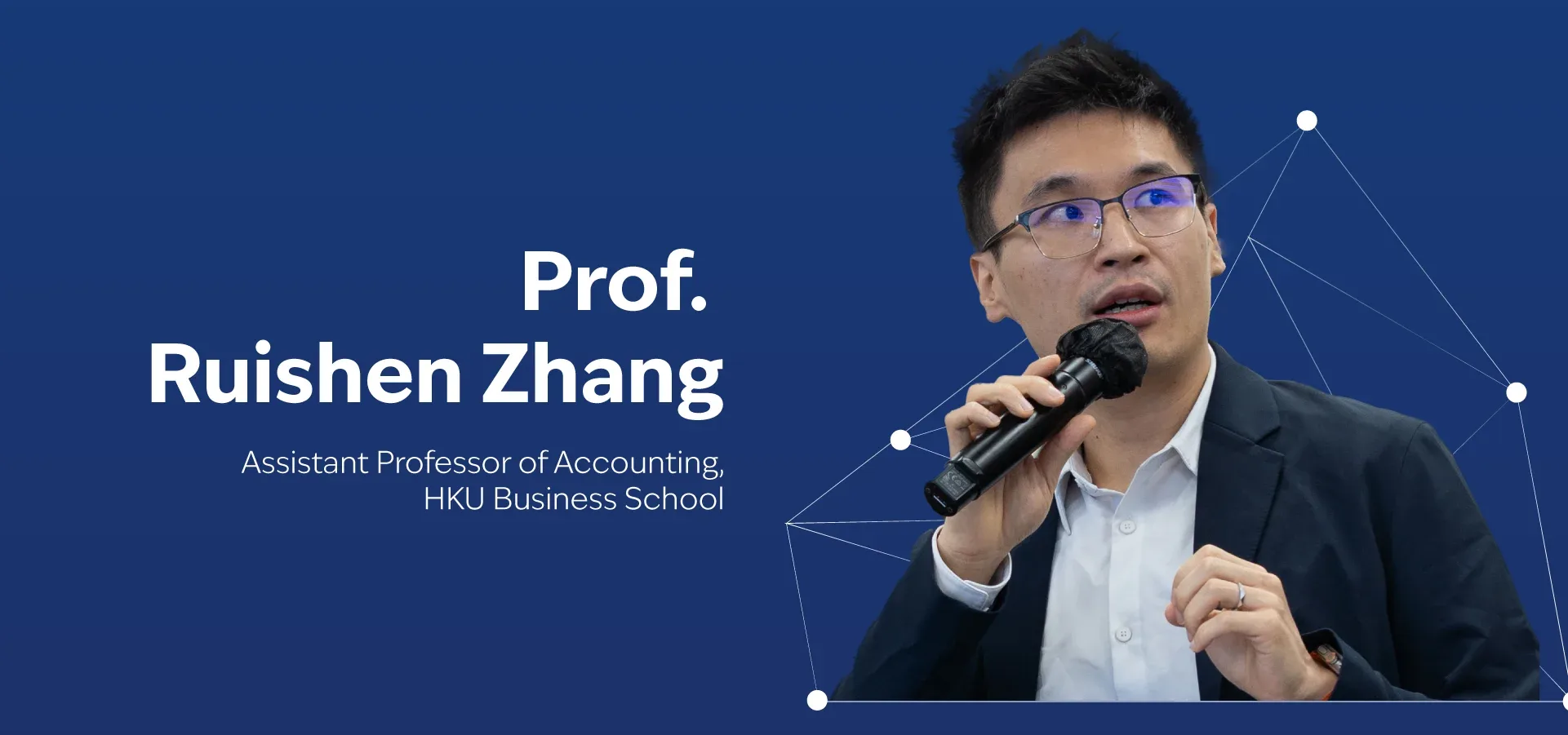
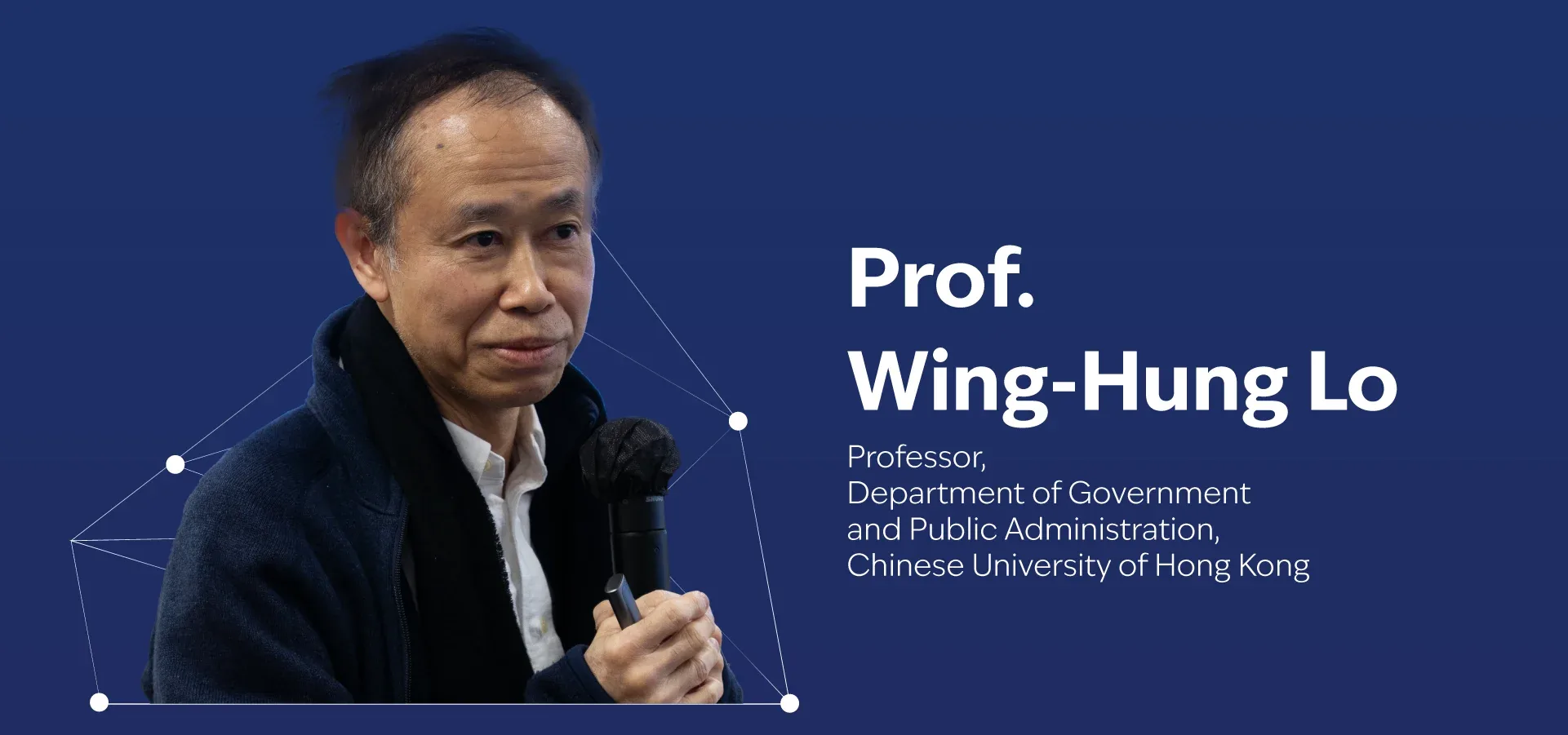
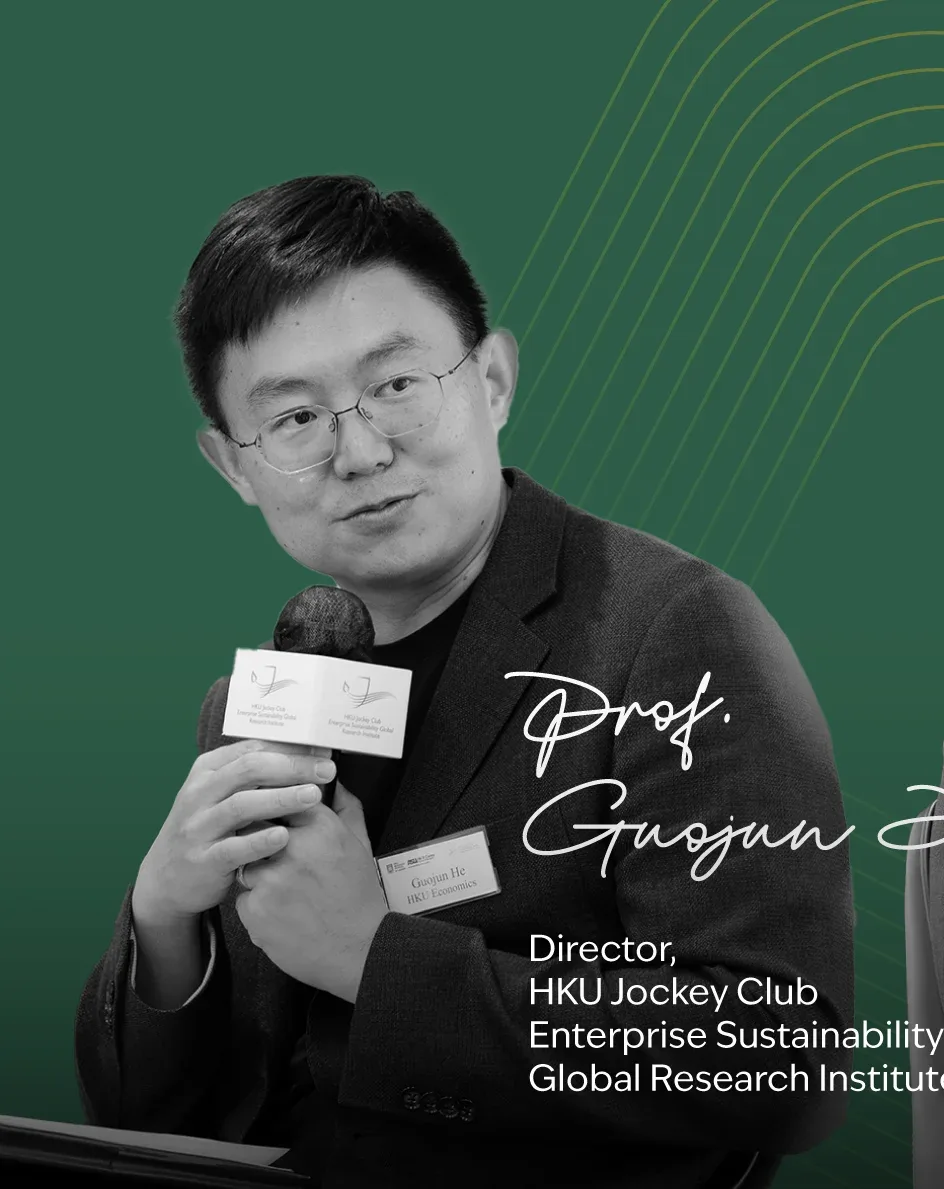
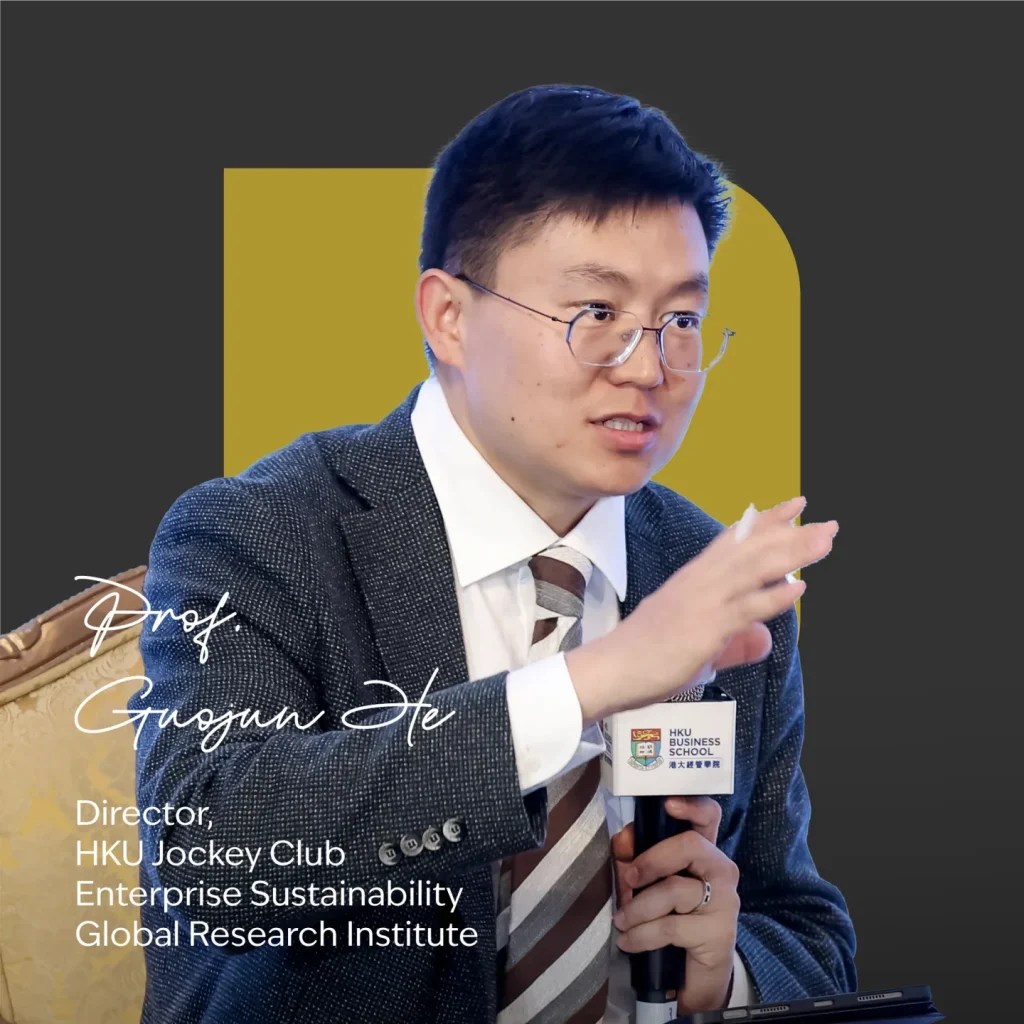
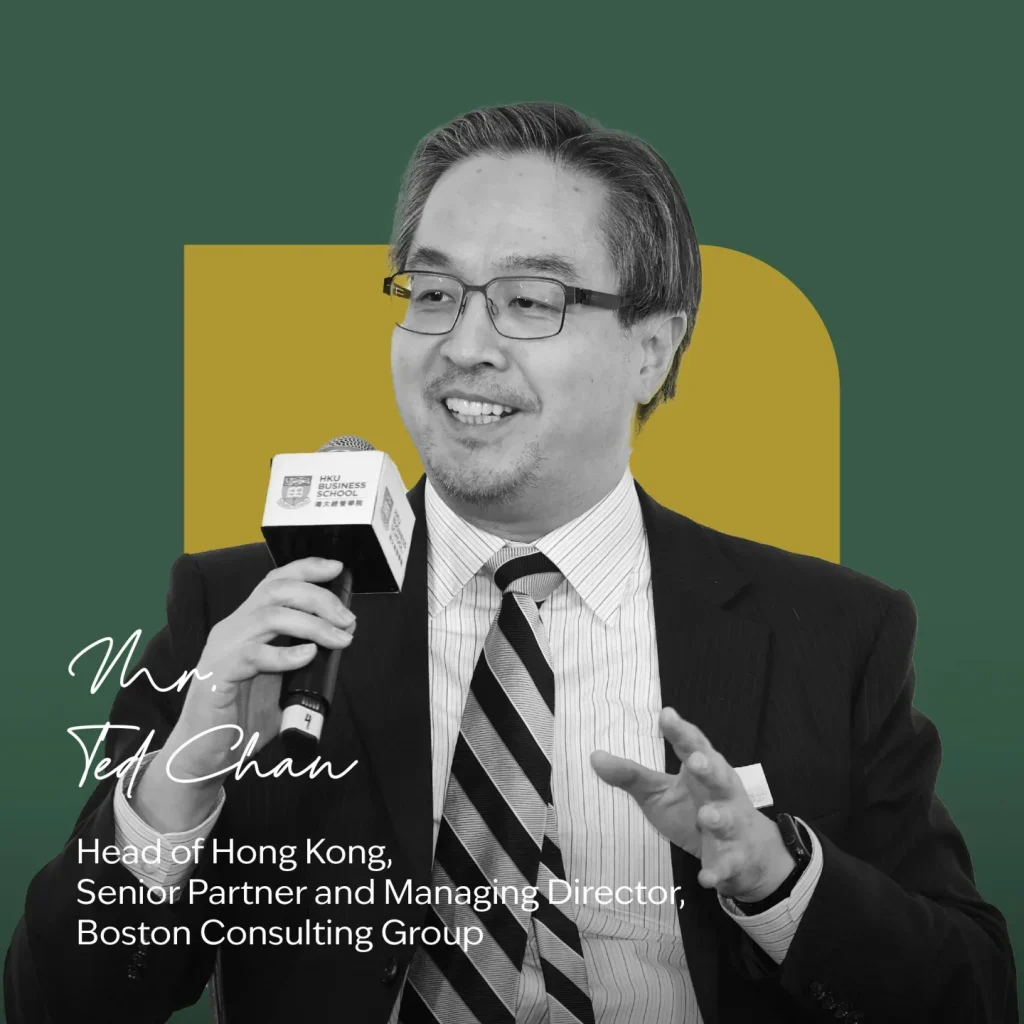
The event featured keynote presentations from Ofi Invest—a leading European asset manager, FAIRR— an investor network focused on ESG risks and opportunities in the global food system, as well as academic representatives from our research institute, sharing cutting-edge research on ecosystem restoration and valuation. The workshop also brought together guests from financial institutions, NGOs, ESG data providers and consulting firms, to engage in vibrant discussions on frontier topics in sustainable finance, thereby promoting deeper integration between academic research and investment practice.


Key Takeaways

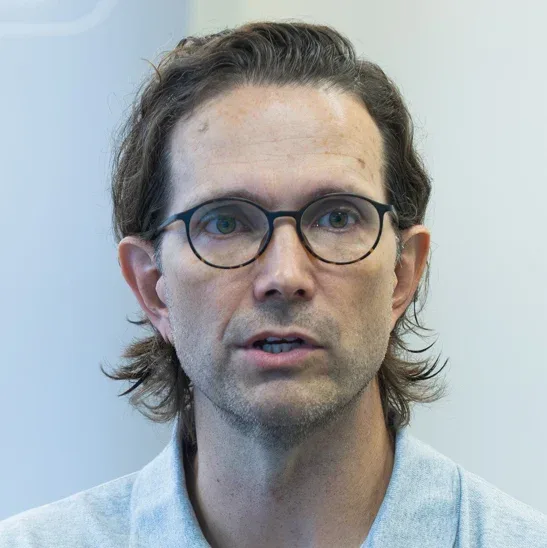
Luisa Florez
Global Head of Research in Sustainable Finance, Ofi Invest
Insurance losses resulting from climate-related disasters are escalating, potentially creating systemic risks comparable to the 2008 financial crisis. Consequently, the core focus of ESG investing is shifting from pursuing alpha towards risk management and resilience. Investors must utilize climate scenario models for forward-looking asset allocation.
In Europe, ESG is increasingly about resilience, robustness, and how to better prepare for future risks.
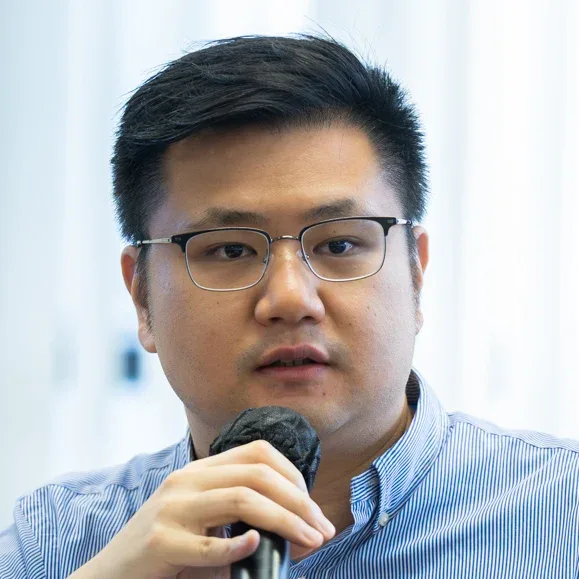
Our model is guided by the principle of materiality, not morality, a motto from our founder, which emphasizes a focus on the material issues in the sectors we cover. The Protein Producer Index tracks 33 sector-specific KPIs to focus on the material risks across meat, dairy, and aquaculture… It is an interactive tool that companies can use to search, screen, and prepare for engagements.
Data-driven benchmark tools are crucial for driving a sustainable transition in the food industry.

Marcus Wilert
Interim Director of Investor Outreach, FAIRR

Bernice Yu
Head of Operations, HKU Jockey Club Enterprise Sustainability Global Research Institute
Ms. Yu presented an academic study on large-scale ecological restoration projects in China. The research revealed that over the past two decades, China has invested nearly 1 trillion RMB in ecological restoration. The associated health benefits generated by these projects are estimated at approximately 13 trillion RMB, demonstrating a substantially positive return on investment.
This proves that large-scale ecological restoration is not only environmentally significant but also represents a long-term investment with considerable returns and manageable risks.
Diversified Insights
Topic 1: From Pledges to Integrity: New Frontier in Addressing Transitional Greenwashing
- Attendees broadly concurred that the discourse on sustainable investment has evolved: the central question is no longer whether companies make commitments, but rather the credibility of those pledges and the integrity with which they are carried out.
- The market is returning to ‘pragmatism’, with scrutiny now focused on operational details such as technology dependency and the credibility of capital expenditure plans.
- Many Asian companies exhibit a strong results-oriented approach to ratings, which may lead them to overlook underlying risks in pursuit of high scores, thereby increasing their susceptibility to accusations of greenwashing.
- The lack of uniform ESG benchmark methodologies gives rise to disparate rating tools, creating confusion for investors.
- Inconsistent and nontransparent corporate disclosures in emerging Asian markets present a primary obstacle to verifying the authenticity of company commitments.
Topic 2: The True ‘Test’: How Governance Turns Social Promises into Practice
- The founder’s values directly determine the level of a company’s investment in employee welfare and labor rights, far outweighing the significance of public policies.
- In the diverse markets of Asia, an appropriate communication strategy is essential to effectively encourage suppliers to adopt higher social standards, such as improved animal welfare.
- Any transition must be premised on the ‘just transition’. Particularly in China, where social equity serves as the cornerstone of sustainable development, it should never be overlooked.
Topic 3: Rethinking ‘Value’: the New Calculus of Returns and Impact
- Impact investors must possess the ‘willingness to pay’ by accepting potentially lower expected returns, though this does not necessarily equate to an inevitable sacrifice in actual realized returns.
- Taking the example of ‘green roof’ research in architecture, although the initial financial costs are higher, the long-term environmental benefits and social value they generate are substantial.
- From a strategic corporate perspective, a growing number of companies are recognizing that ESG is not merely a compliance cost but a strategic opportunity to drive innovation, access new markets, and ultimately achieve long-term financial returns.
Closing Remarks
Sustainable finance is undergoing rapid maturation, evident in the evolution of its frameworks, methodologies, and practical applications. Market attention is shifting from broad aspirational commitments toward assessing the feasibility and credibility of corporate transition plans. Investors are increasingly looking beyond high-level policy statements to scrutinize concrete capital allocation strategies, evaluate the maturity of technology roadmaps, and verify the track records of companies in fulfilling past pledges.
A key insight emerging from the discussion is that superficial ESG practices often originate from inadequate top-down leadership. Whether rooted in foundational corporate values or reinforced through incentive structures that link executive compensation to ESG metrics—such as employee well-being and supply chain management—meaningful advancement requires the integration of sustainability into the very fabric of corporate governance. Only by establishing robust internal mechanisms can companies transcend mere compliance and authentically embed sustainability into their organizational culture.
Concurrently, the financial materiality of natural capital is being systematically reappraised. Climate-related physical risks are intensifying pressure on sectors like insurance, while large-scale ecosystem restoration offers considerable long-term investment potential. These trends underscore those natural factors can no longer be treated as externalities; they are now material financial variables with direct impacts on corporate balance sheets. This realization is progressively shifting investment frameworks away from conventional models and toward more integrated approaches that incorporate long-term resilience and sustainability.
Guests List
Once again, we extend our sincere gratitude to our co-organizers—Syncicap Asset Management and the FAIRR, for not only making this closed-door roundtable possible, but also for sharing cutting-edge industry practices with us all.
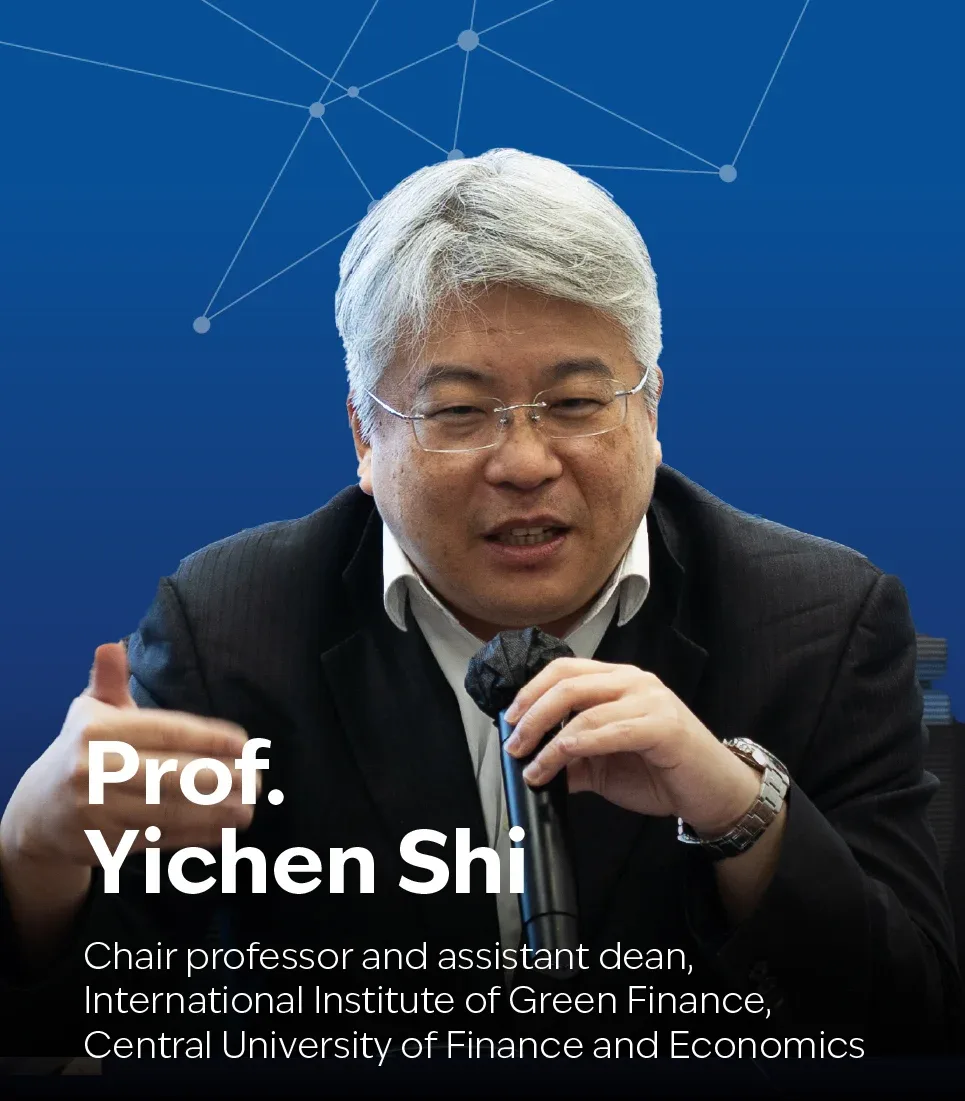
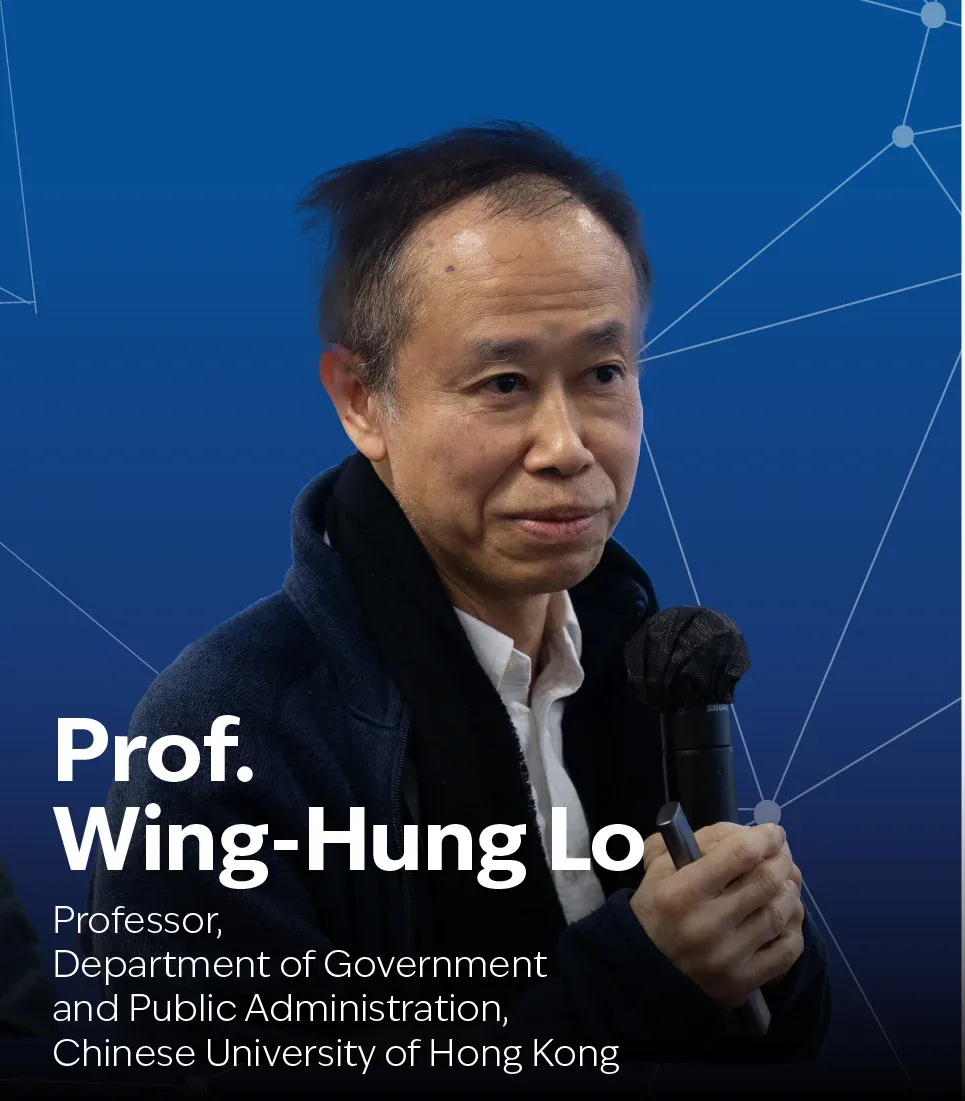
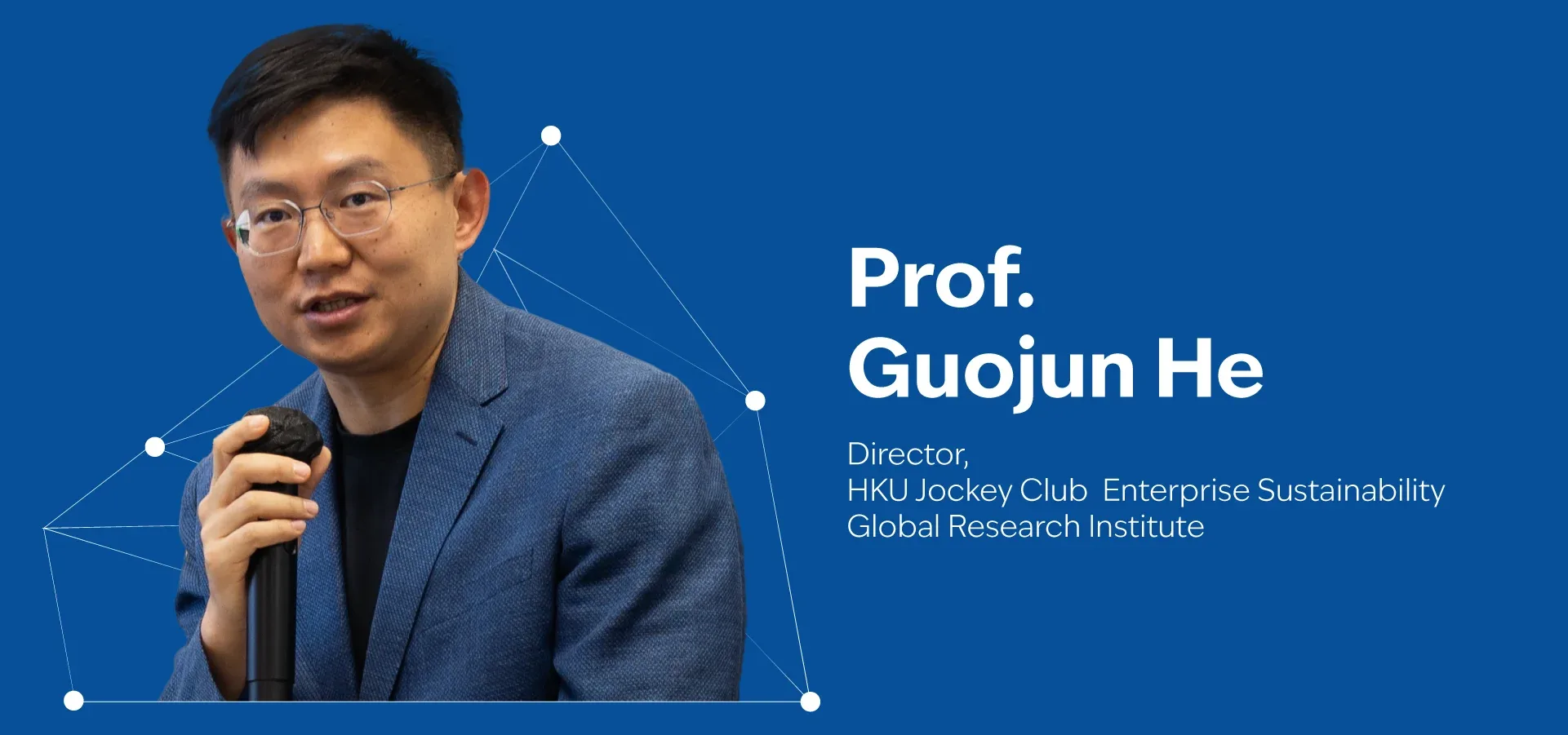
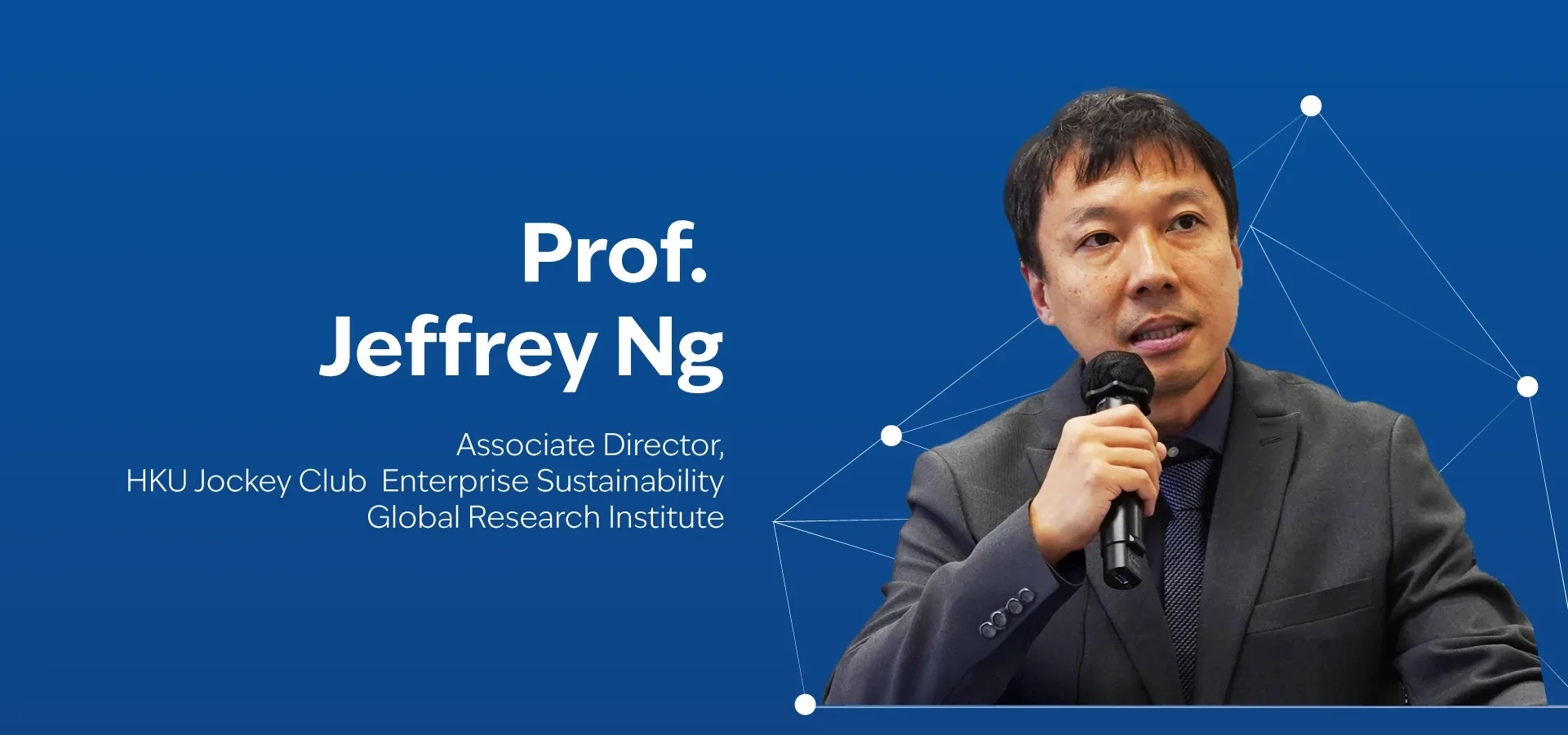
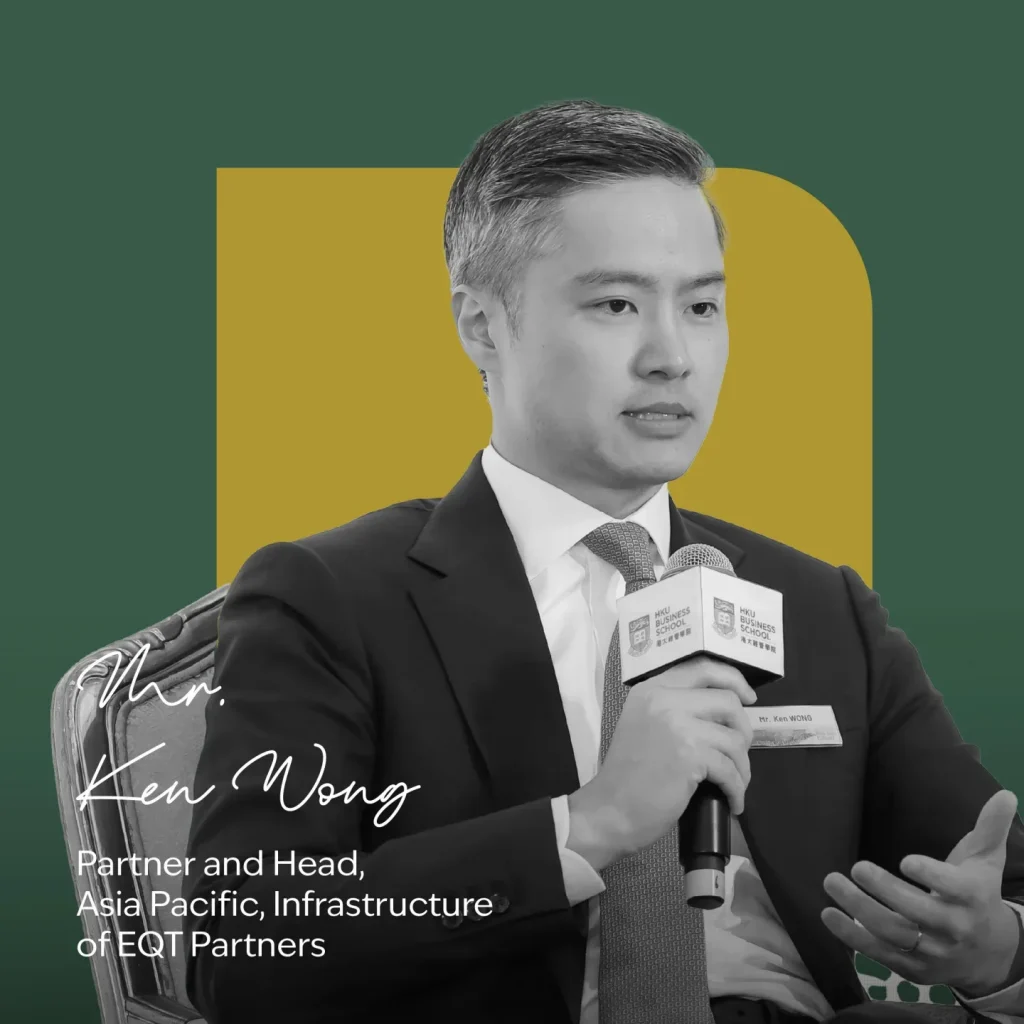
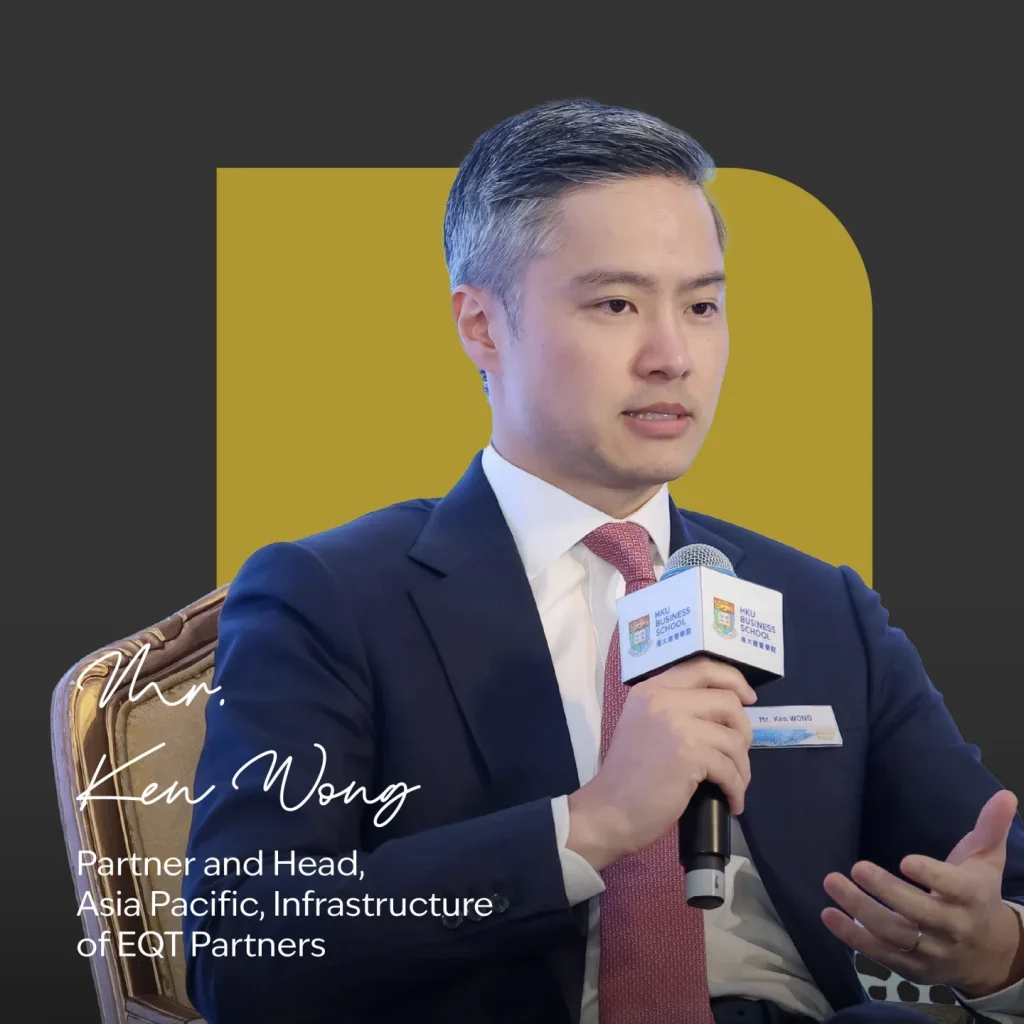
We also deeply appreciate the participation of all guests in discussion. Thank you for your active engagement, thoughtful contributions, and the valuable insights you brought to the conversation (listed below in alphabetical order by organization name):
- Beijing Trans FinTech Ltd
- Friends of the Earth (HK)
- HKU Business School
- HKU Faculty of Architecture
- Lever Foundation
- Moody’s
- Ofi Invest
- SHERO Inspire
- Sumitomo Mitsui DS Asset Management