Philipp Krueger|Zacharias Sautner|Dragon Yongjun Tang|Rui Zhong

World-Class Hub for Sustainability
Philipp Krueger|Zacharias Sautner|Dragon Yongjun Tang|Rui Zhong
Heng Geng|Harald Hau|Roni Michaely|Binh Nguyen
Janet Gao|Tim Liu|Sara Malik|Merih Sevilir
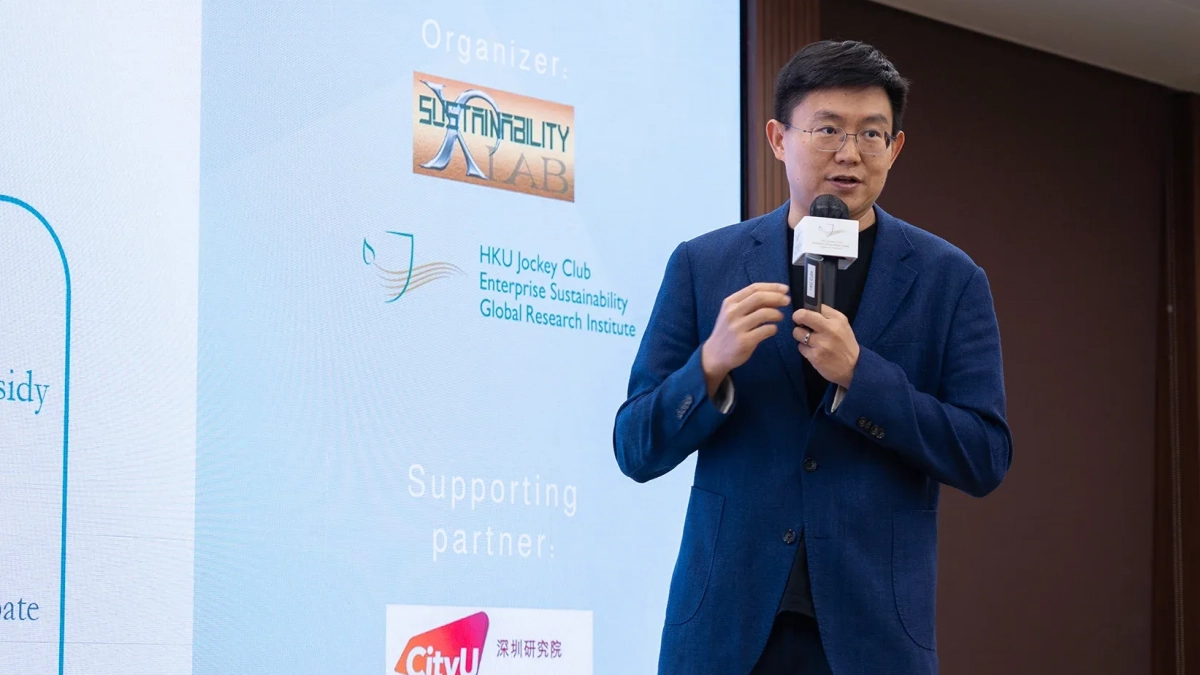
On April 7, we hosted the “AI for Climate Change and Sustainability Science” forum with Sustainability X-Lab, featuring leading experts across climate science, engineering, data science, and economics.

截至2025年初,全球加密貨幣市場總值已超過3萬億美元。加密貨幣已從早期只受小眾追捧的專屬領域躍升為世界性金融生態系統。有別於傳統金融市場,加密幣市場全天候運作,沒有疆界限制;目前數百家上市公司、對沖基金、家族辦公室和養老基金均已配置加密資產。去年7月,美國提出《比特幣法案》(BITCOIN Act),以建立比特幣戰略儲備,足見加密貨幣躋身具有戰略意義的資產類別。
Yildiray Yildirim|Jian Zhang|Bing Zhu
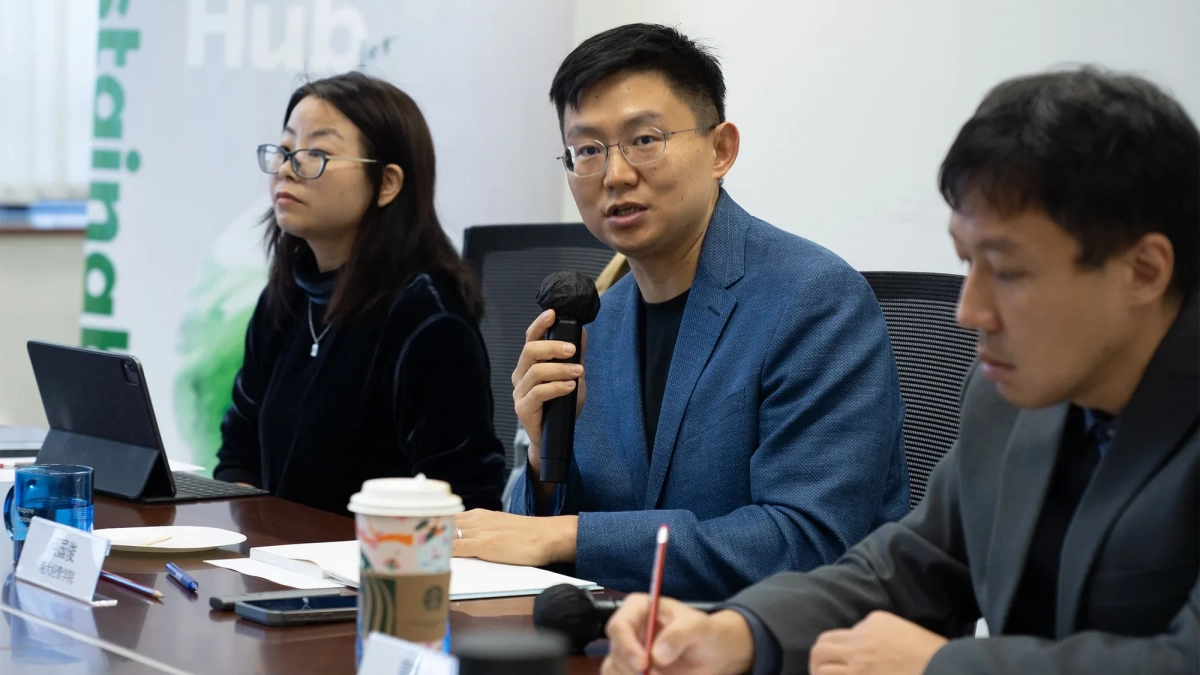
In our Bay Area Sustainability Blueprint Series, on March 19th, our institute collaborated with Caijing Dushu to host a closed-door workshop focused on “Divergence, Use, and Practices of Sustainability Index and Ratings.” The workshop examined the challenges of applying ESG ratings in real-world contexts, bringing together renowned scholars specialising in sustainability index research and representatives from financial institutions. Academic experts presented case studies highlighting differences in rating frameworks and indicators, while industry representatives shared their challenges in using sustainability data for investment decisions. The workshop explored potential strategies for optimising rating models through collaborative efforts between academia and industry, aiming to enhance the value of ESG indices and data.